By Season
When a bird was seen — year-round, spring/summer, winter, or passage only — rules out species that simply aren't present at that time of year, regardless of habitat or appearance.

Why season is a powerful filter
Season works differently from the other identification traits: it doesn't depend on what the bird looks like at all, only on whether that species could plausibly be present at the time it was observed. A bird matching every visual trait of a long-distance summer migrant, seen in the middle of winter, is almost certainly something else — the real migrant should be thousands of kilometers away on its wintering grounds at that time of year.
The four seasonal patterns
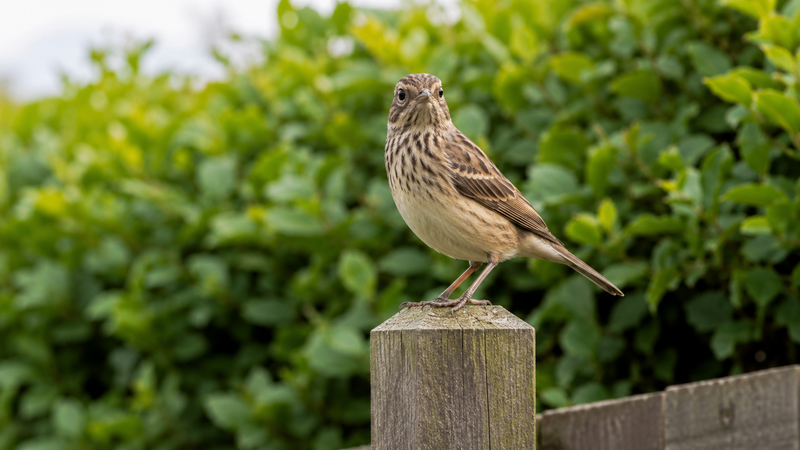
Year-round (resident) species are present in the same area throughout the year, without a seasonal migration — the great tit and house sparrow are both classic residents across most of their Russian and European range, switching diet with the seasons rather than leaving.
Spring and summer (migratory) species arrive to breed and leave again in autumn, present only for the warmer months — the barn swallow and common cuckoo both fit this pattern, vocal and visible from spring through summer, then essentially gone by autumn.
Winter (winter visitor) describes species that breed further north and move south specifically to spend the winter in a given area, the reverse pattern of a summer migrant — several northern finches and thrushes follow exactly this strategy, appearing in numbers only once colder weather sets in further north and disappearing again by spring as they return to breed.
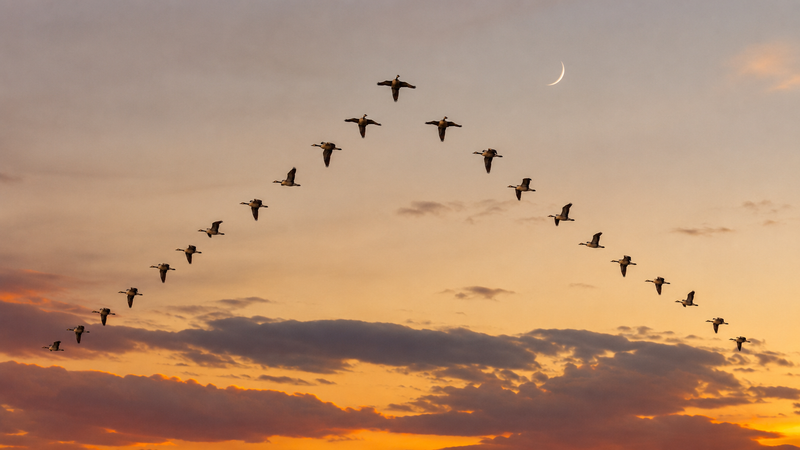
Passage migrant only covers species seen only briefly while traveling between a breeding range and a wintering range that both lie elsewhere — many wader species pass through river valleys and coastal wetlands for a short window each spring and autumn without ever breeding or wintering at the stopover site itself.
Combining season with habitat
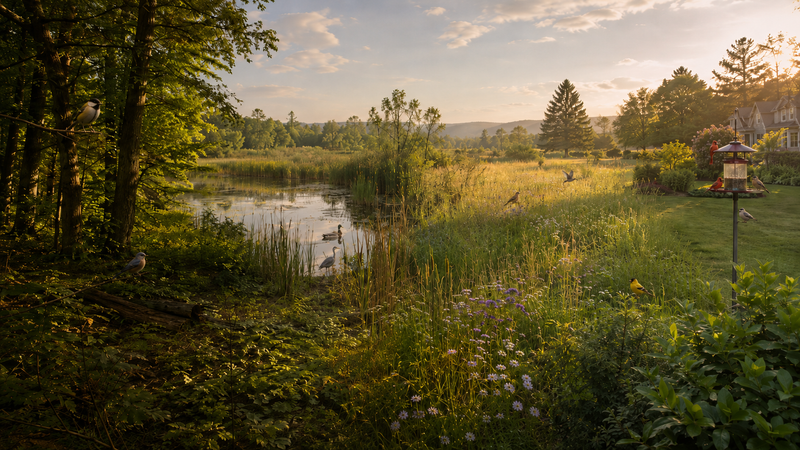
Season and habitat work especially well together, since a habitat that hosts very different species in summer versus winter can otherwise cause confusion — a wetland busy with breeding waterfowl in June looks entirely different in species composition from the same wetland hosting passage waders in September. Treating the observed season as a broad window rather than an exact date matters too: migration timing shifts by a week or two between years depending on weather, so a bird arriving slightly early or late is still consistent with its usual seasonal pattern.
Bird migration calendar
Data are averaged for European Russia. Actual dates vary by region and year.