The Role of Birds in Nature
Birds shape ecosystems well beyond their own survival — dispersing seeds, controlling insect and rodent populations, pollinating some plants, and serving as sensitive indicators of environmental health.
Birds do far more than occupy a habitat
Beyond simply living in a given habitat, birds actively shape the ecosystems around them in ways that affect plants, insects, other animals, and — increasingly — the way scientists track environmental change. Their ecological role generally falls into a few well-documented categories: seed dispersal, pest control, pollination, and acting as sensitive indicators of habitat and environmental health.
Seed dispersal and forest regeneration
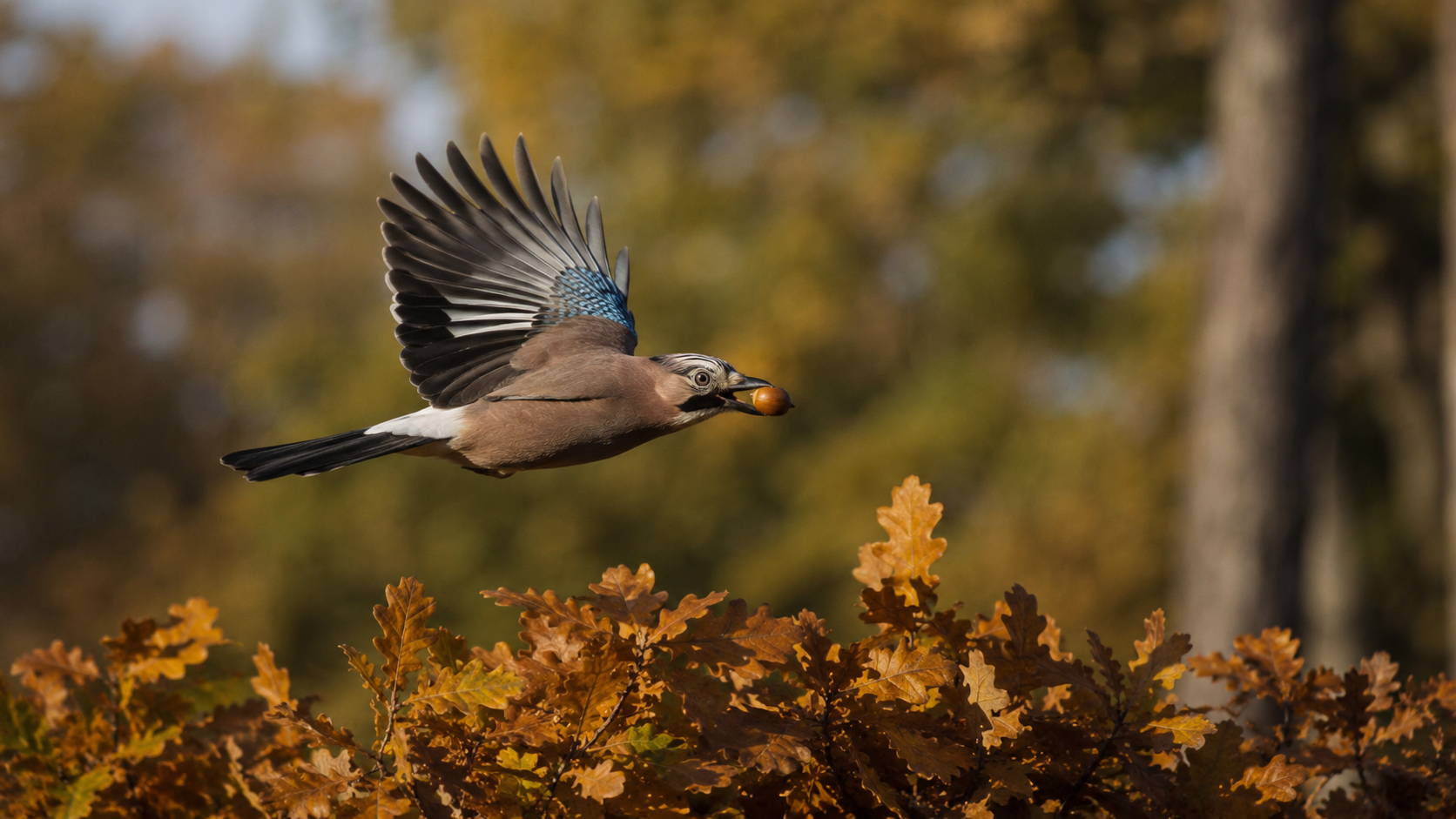
Many birds that eat fruit or cache seeds play a direct role in spreading plant life across the landscape. Fruit-eating species swallow seeds whole and deposit them, undamaged, at a distance from the parent plant along with a small package of fertilizer — a mechanism responsible for the spread of many berry-producing shrubs and trees. Caching species like the Eurasian jay take this further: a single jay can bury several thousand acorns each autumn as a winter food store, and the acorns it fails to relocate — a meaningful share of the total — go on to germinate, making jays a measurable, well-documented contributor to oak woodland spread and regeneration.
Controlling insect and rodent populations
Insectivorous birds consume enormous quantities of insects, including many agricultural and garden pests, over the course of a breeding season — a single pair of insect-eating songbirds feeding a nest of growing chicks can bring in thousands of insects before the young fledge. Birds of prey, in turn, help regulate rodent populations: owls and many raptors rely heavily on voles, mice, and other small mammals, and healthy populations of these predators are associated with more stable rodent numbers in farmland and other open habitats, reducing pressure that would otherwise fall on crops and stored food.
Pollination and other lesser-known roles
While pollination by birds is a smaller-scale phenomenon in this atlas's temperate region than in tropical areas with specialized nectar-feeding species, some birds do transfer pollen incidentally while feeding on flowers, and birds more broadly support wider ecosystem functioning through activities like nutrient cycling — seabird colonies, for instance, deposit large quantities of nutrient-rich guano that measurably enriches surrounding soil and marine environments.
Indicators of environmental health
Because birds respond quickly and visibly to changes in food availability, habitat quality, and pollution, and because their populations are far easier to survey systematically than most other wildlife, they've become one of the most closely tracked indicator groups in conservation science. Long-running birdwatching and citizen-science monitoring efforts feed directly into conservation status assessments, giving researchers an unusually detailed, decades-long record of how ecosystems are changing — often catching a decline in an indicator bird species well before the underlying environmental problem becomes obvious through other means.