By Habitat
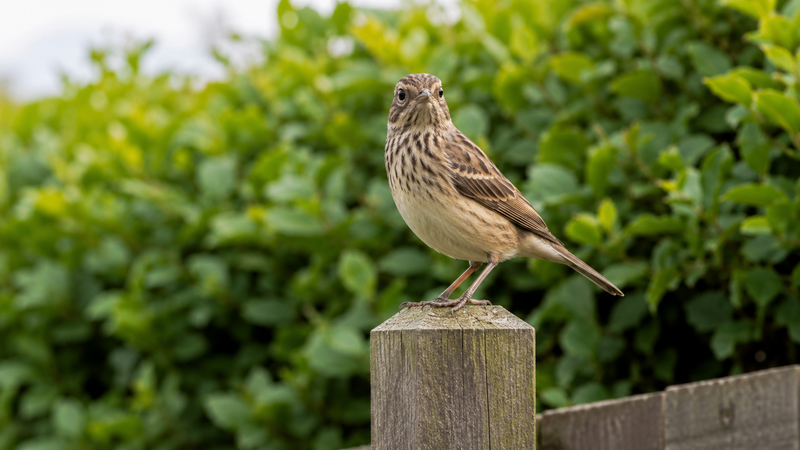
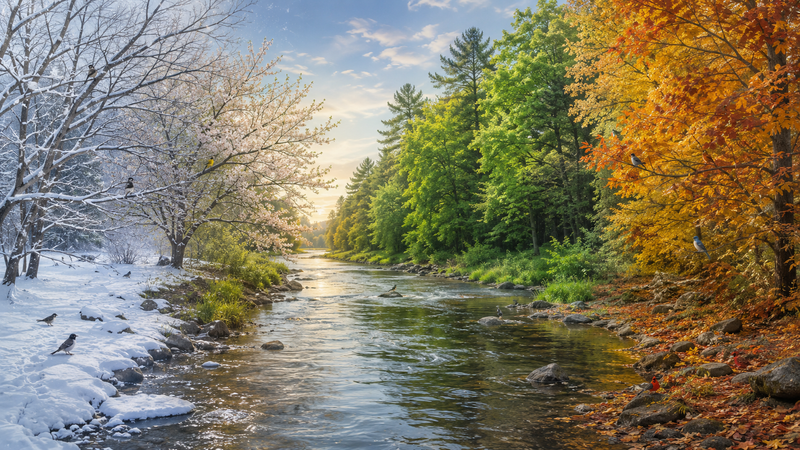
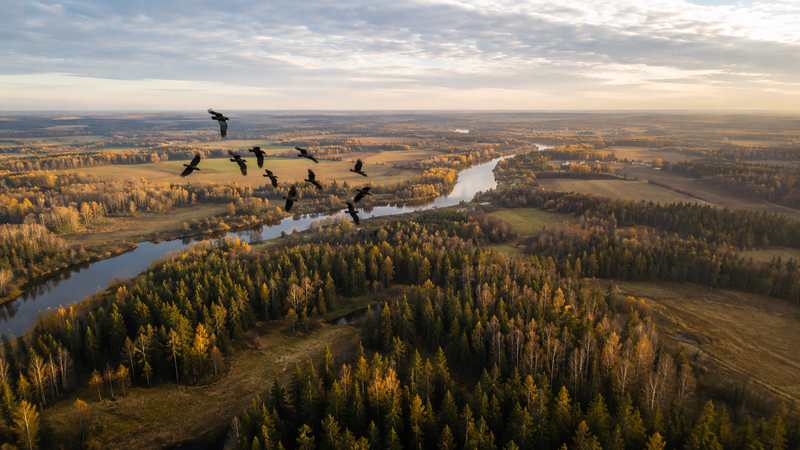
Where a bird was seen — forest, water/wetland, field/meadow, or city/garden — is one of the strongest identification clues, since most species are tied closely to one habitat type.
Why habitat is such a strong clue
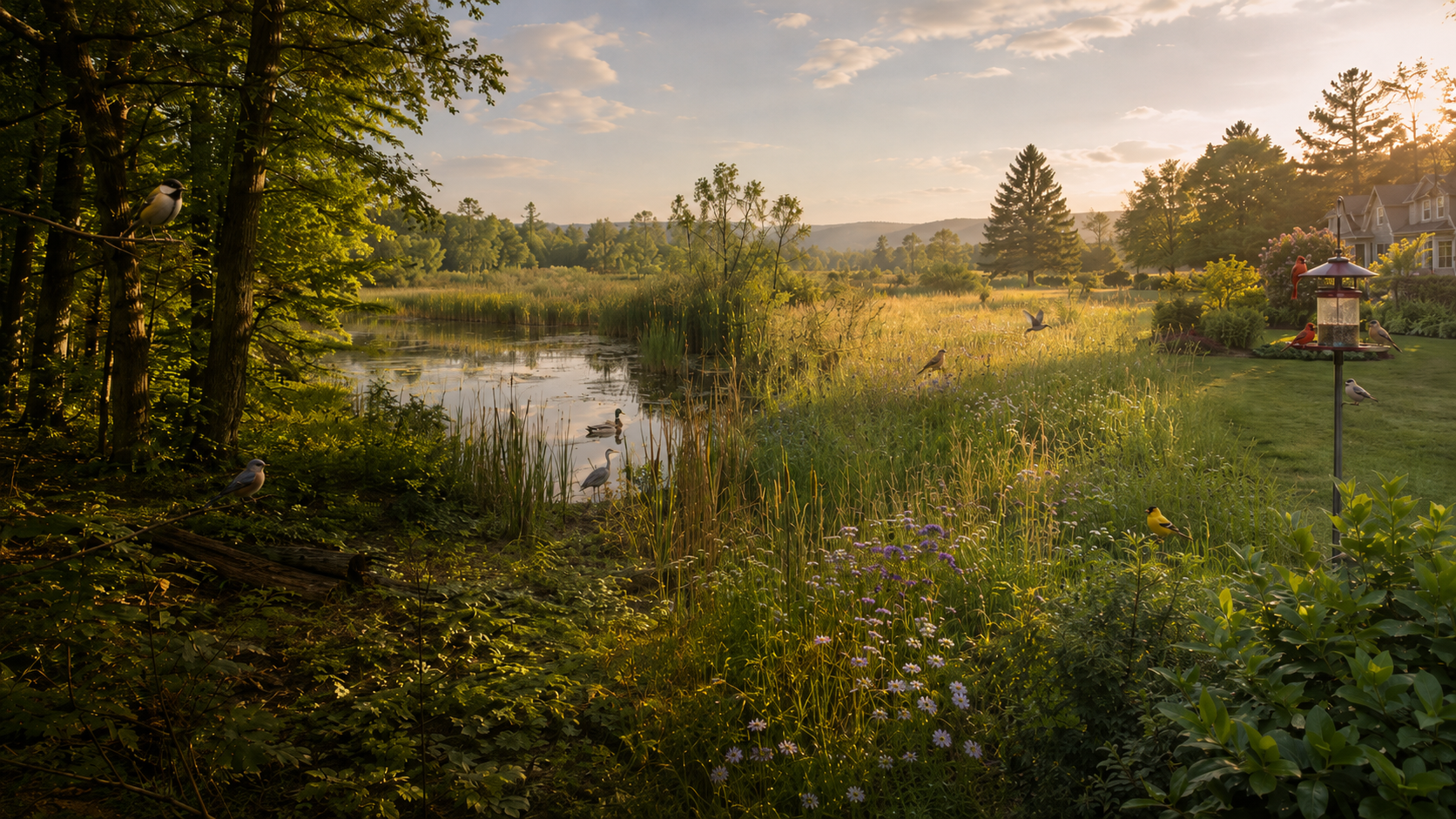
Habitat ties directly to what a bird eats and where it nests, which makes it one of the most powerful identification filters available — often narrowing candidates further than color or size alone. A grey heron needs shallow water to hunt fish and amphibians; a great spotted woodpecker needs standing timber to excavate for insects and nest cavities. Neither species turns up far from the habitat that meets these basic needs, which is exactly why habitat works so well as a filter.
The four habitat types
Forest covers species tied to trees and woodland cover, including the great spotted woodpecker, black woodpecker, tawny owl, and Eurasian jay — birds that depend on tree cavities, bark insects, or acorns and rarely stray far from continuous woodland.
Water / wetland covers species associated with lakes, rivers, marshes, and reedbeds, such as the grey heron, mallard, and black-headed gull — birds relying on open water or wet ground for fishing, dabbling, or nesting among reeds.
Field / meadow covers open, largely treeless ground, home to species like the Eurasian skylark, which nests directly on open ground, and the common kestrel, which hunts by hovering over exactly this kind of open terrain in search of voles.
City / garden covers species that thrive around human structures and planted vegetation, including the house sparrow, feral pigeon, and common starling — species that have adapted to nest in building crevices and feed on human-associated food sources.
When a species crosses habitat boundaries
Habitat use isn't always fixed to a single category. Some species shift habitat by activity or season — a kestrel that hunts over open fields may still nest in a building ledge in town, and several waterfowl graze on adjacent farmland outside the breeding season. When this happens, use the habitat where the bird was actually observed at the time, and let season fill in the rest: a species seen in an unexpected habitat during migration passage is behaving quite differently from the same species on its breeding grounds.