Popular Bird Species
Some species draw disproportionate public attention — through familiarity, striking appearance, cultural symbolism, or an unusual behavior — regardless of how common they actually are.
What makes a species popular
Popularity among birdwatchers and the general public doesn't track neatly with how common or rare a species actually is. Instead, a handful of factors repeatedly explain why certain species become disproportionately well-loved: close and regular contact with people, a striking or easily recognized appearance, a memorable behavior, and cultural or folkloric associations built up over centuries.
Garden familiarity
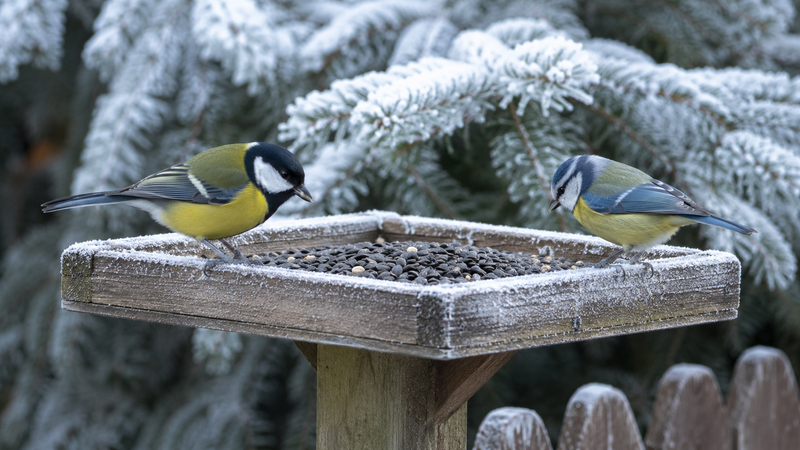
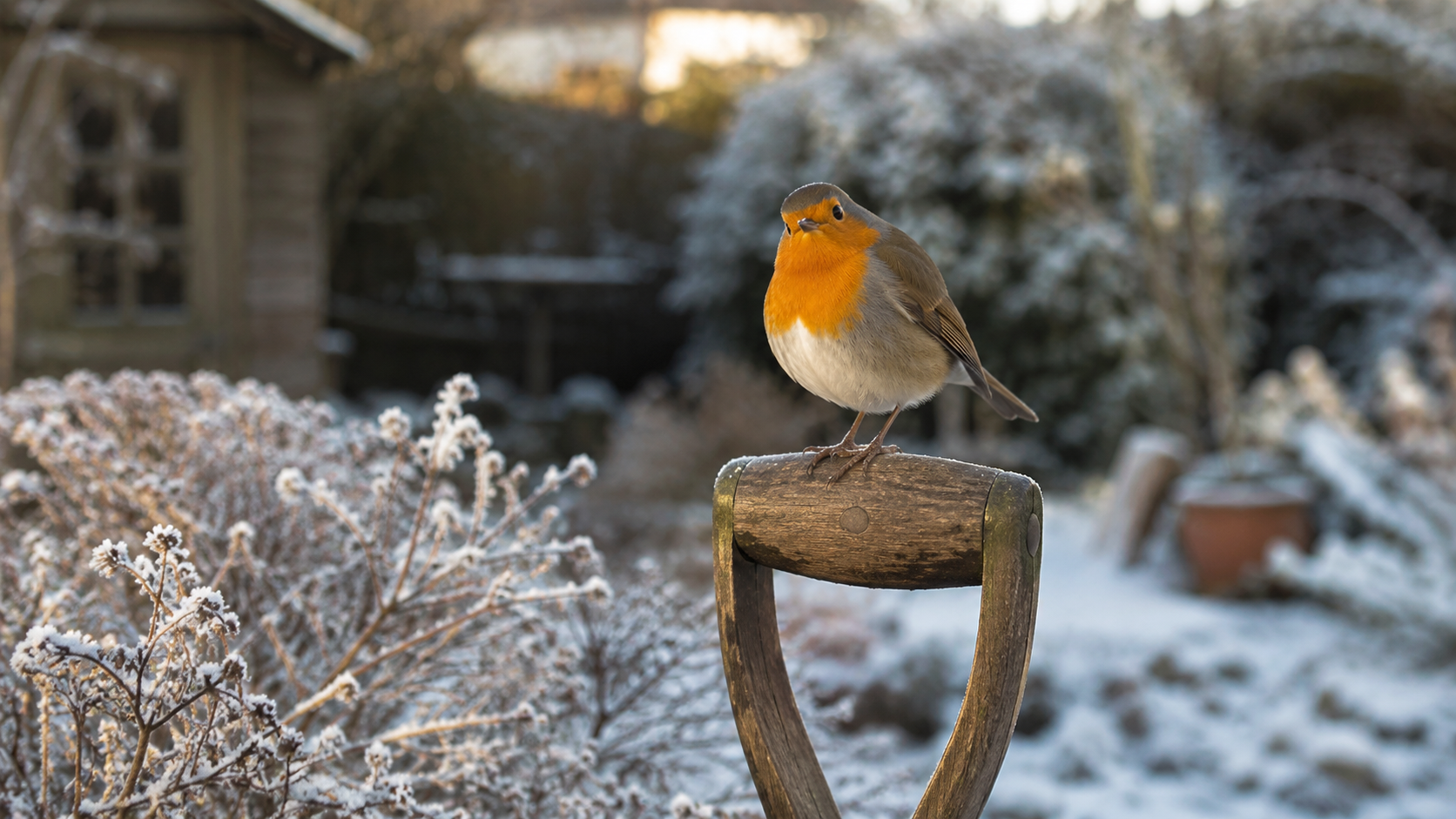
Species that regularly visit gardens and feeders tend to top popularity lists simply through repeated, close contact. The European robin, with its bright orange breast and famously bold, inquisitive behavior around gardeners, is one of the most recognized and affectionately regarded birds across much of Europe — its willingness to approach people closely, often hopping near freshly dug soil in search of disturbed invertebrates, builds a personal familiarity that few other species achieve. The great tit, a frequent feeder visitor with a distinctive black head stripe, occupies similar territory in public affection through sheer daily visibility.
Striking appearance and behavior
Some species draw attention through visual impact or a memorable habit rather than proximity. The common kestrel is widely recognized for its hovering hunting technique, easily spotted even by non-birders along roadsides and open fields. The male mallard, with its glossy green head, is one of the most instantly recognizable ducks anywhere it occurs, familiar even to people with no particular interest in birds.
Cultural symbolism
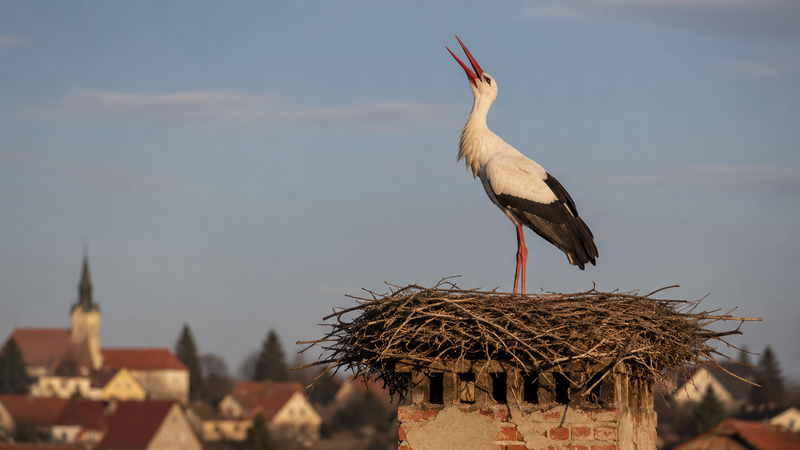
A smaller number of species carry deep cultural weight that shapes their popularity independent of appearance or abundance. The white stork is perhaps the clearest example in the European context — its large rooftop and pole-top nests, folklore linking the species to childbirth across many countries, and strong site fidelity to the same nest year after year have made it a genuinely beloved symbol well beyond birdwatching circles. The common cuckoo occupies a similar cultural niche through its instantly recognizable call and its unusual brood-parasitic breeding strategy, a behavior widely known even among people who couldn't otherwise identify the bird itself.
Why this matters for a general audience
Recognizing which species tend to be widely known and asked about is useful for a reference atlas: it helps explain why certain species pages attract more everyday interest than others of similar ecological importance, and it's often these familiar species that serve as a comfortable, recognizable starting point for someone new to birdwatching before they branch out toward the wider catalogue.