Bird Life
How birds actually live — lifespan, diet, plumage color, migration, and their role in the wider ecosystem — explained through real examples from the atlas.
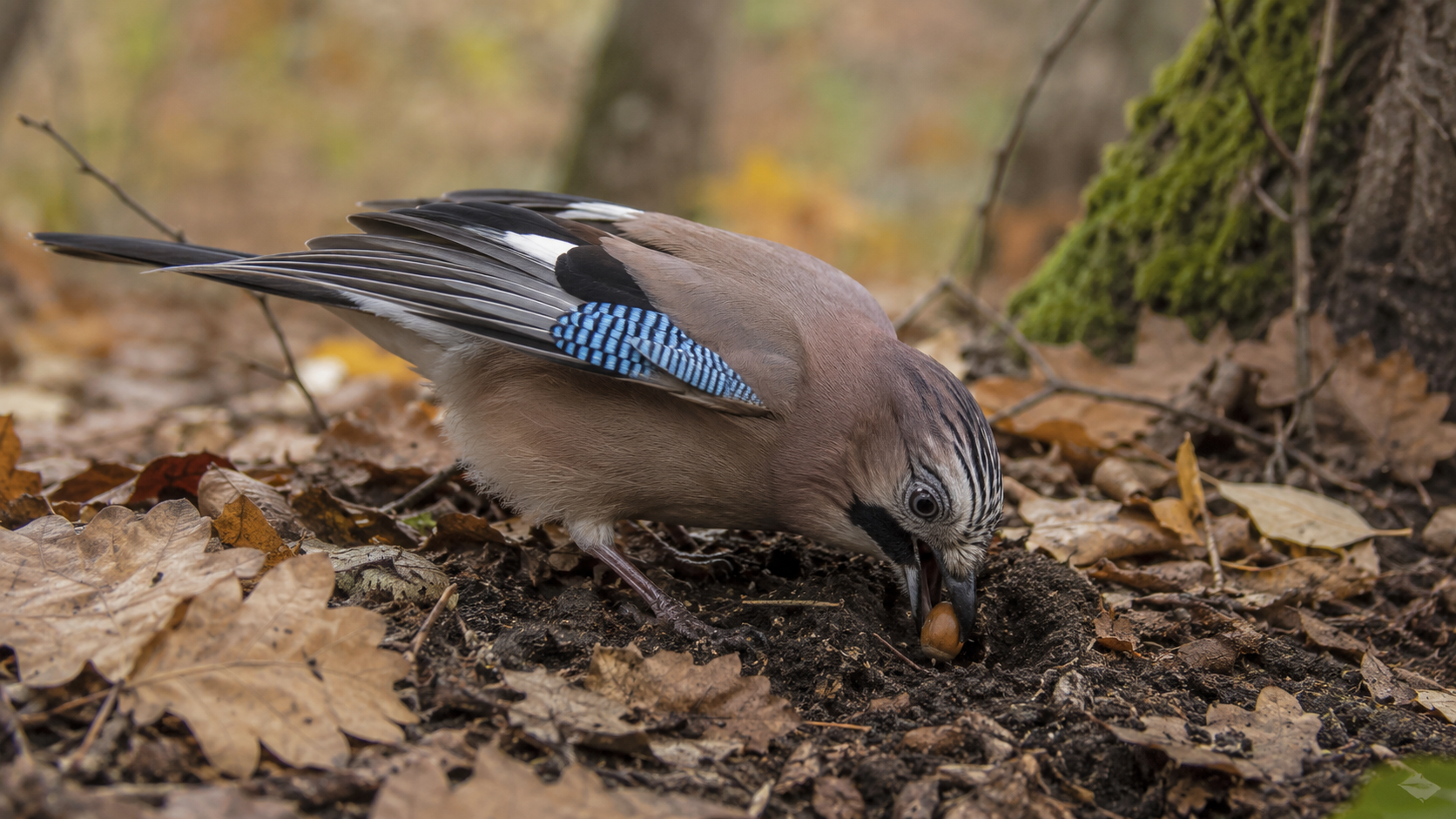
The everyday reality of being a bird
Species and family pages describe what a bird looks like and where it lives; this section asks how it actually spends its life. How long do wild birds typically survive, given how many die in their first year alone? What do different birds eat, and how does diet shape everything from beak shape to migration timing? Why are some species drab and camouflaged while others, like many finches and the common kingfisher, are strikingly bright? These are the kinds of questions covered here.
What the section covers
The five articles in this section address lifespan and mortality in wild bird populations, the range of diets birds rely on — from strict seed-eaters to opportunistic omnivores — the evolutionary reasons behind bright or dull plumage, the mechanics of how and why birds migrate across enormous distances, and the broader ecological role birds play as pollinators, seed dispersers, pest controllers, and indicators of environmental health.
Each article draws on concrete species already covered in the atlas rather than staying purely abstract: a discussion of migration timing is more useful with the barn swallow's spring and autumn journeys as a reference point than without one, and a discussion of diet is clearer alongside the contrast between a seed-specialist finch and an opportunistic corvid.
How this fits with the rest of the atlas
This section sits alongside the encyclopedia as one of two general-interest areas of the site, but with a narrower focus on the practical, lived experience of being a bird rather than broad classification questions. Where an article mentions a specific species by name, it links to that bird's full profile in the species catalogue, so a general point about, say, migration can lead directly into the detailed breeding and range information for the species used as the example.