Why Do Birds Have Bright Plumage
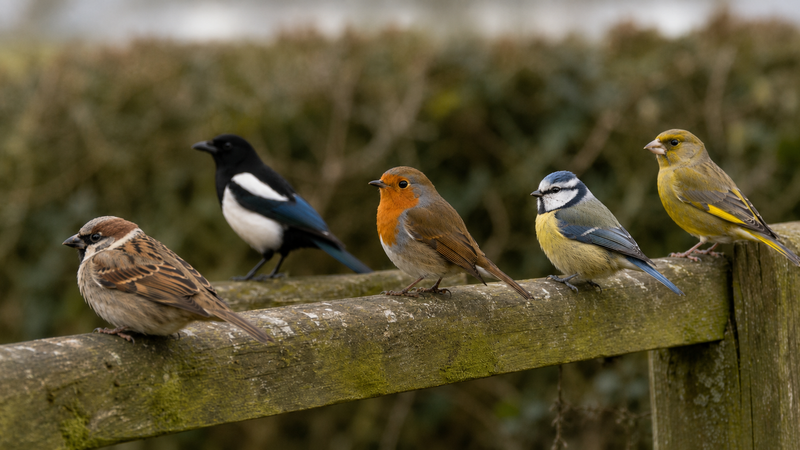
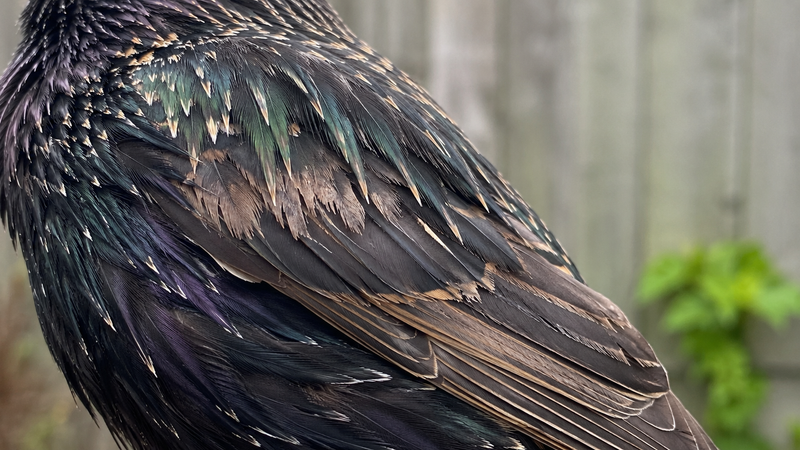
Bright plumage in birds usually serves one of a few purposes — attracting a mate, signaling fitness, or marking territory — while camouflage favors dull colors, and the two pressures often pull the sexes of the same species in opposite directions.
Color is rarely just decoration
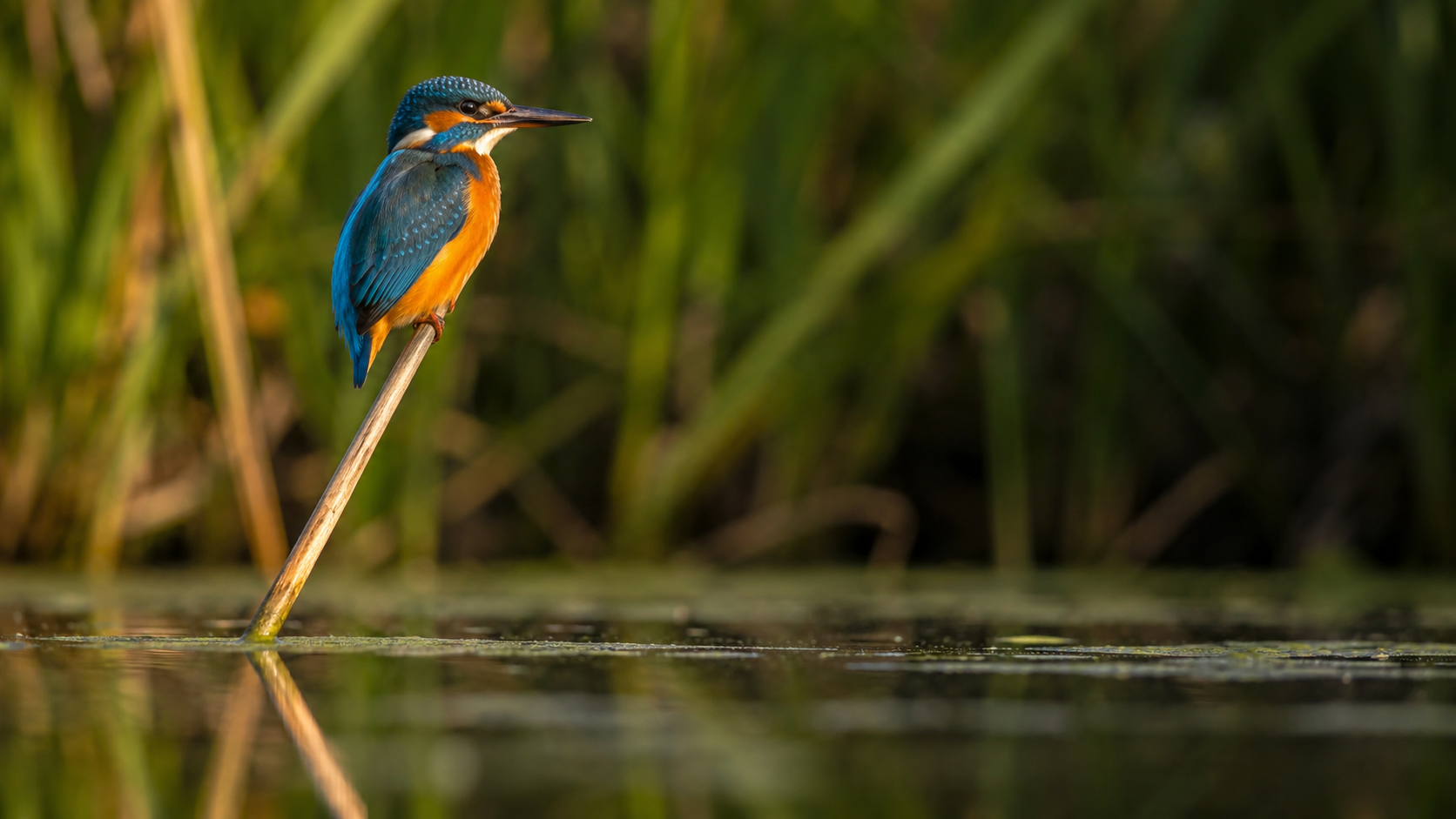
Bright plumage in birds isn't a random flourish — it typically serves a specific evolutionary purpose, and understanding why a species looks the way it does is one of the more interesting angles on bird biology covered across this atlas's species catalogue. Two opposing pressures shape most bird coloring: the need to attract a mate or signal fitness, which favors bright, conspicuous plumage, and the need to avoid predators, which favors dull, camouflaged plumage — and different species, and often different sexes within the same species, settle at different points along that trade-off.
Attracting a mate and signaling fitness
In many species, especially ones where females choose among competing males, bright and well-maintained plumage functions as an honest signal of health. Producing and maintaining vivid coloring — particularly colors derived from diet, like the carotenoid pigments behind many red, orange, and yellow tones in finches — takes real physiological resources, so a male in poor condition typically can't fake a genuinely bright, evenly colored coat. This is part of why male birds are so often more colorful than females of the same species: mate selection pressure acts more strongly on the sex competing for mating opportunities, while the sex doing most of the incubating benefits more from staying hidden.
Camouflage and the cost of standing out
The flip side of this trade-off is camouflage. Species and individuals that spend long periods sitting still and exposed — especially incubating females on open or ground nests — often benefit far more from cryptic, dull plumage that blends into surrounding vegetation than from conspicuous coloring, since a well-camouflaged bird on a nest is much less likely to be spotted by a predator. This is why female plumage in many species with strongly differing male and female coloring stays notably duller than the male's, even though both share the same species-wide genetic potential for bright coloring.
Territory, recognition, and species identity
Beyond mate attraction, distinctive plumage patterns also help birds recognize their own species at a distance and signal ownership of a territory to rivals — a clear, consistent pattern is easier for other birds of the same species to recognize instantly than a muted or ambiguous one would be. This is part of why plumage patterns tend to stay remarkably consistent within a species even across a wide geographic range, while differing sharply between closely related species that need to avoid confusing each other during territorial disputes or mate selection.