Life Cycle of Birds
A bird's life cycle runs from egg through hatching, growth to independence, sexual maturity and breeding, to death — with the pace of each stage varying enormously by species.
From egg to independence
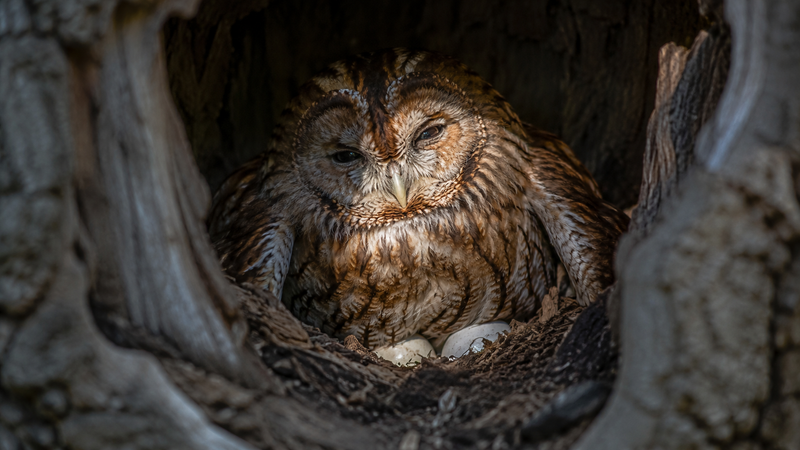
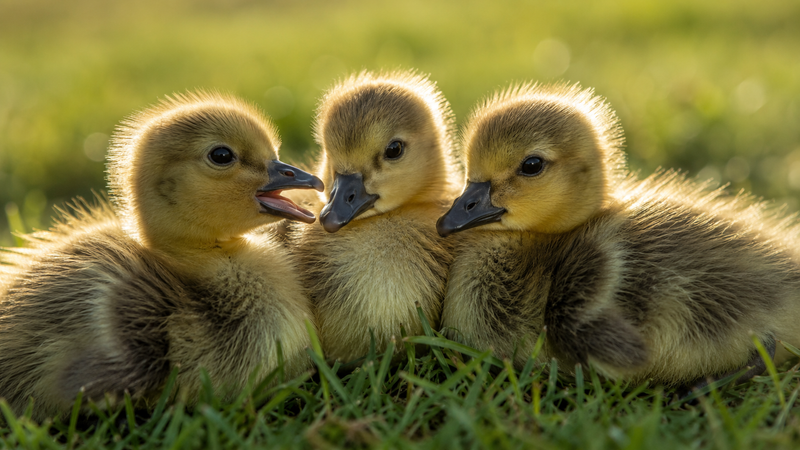
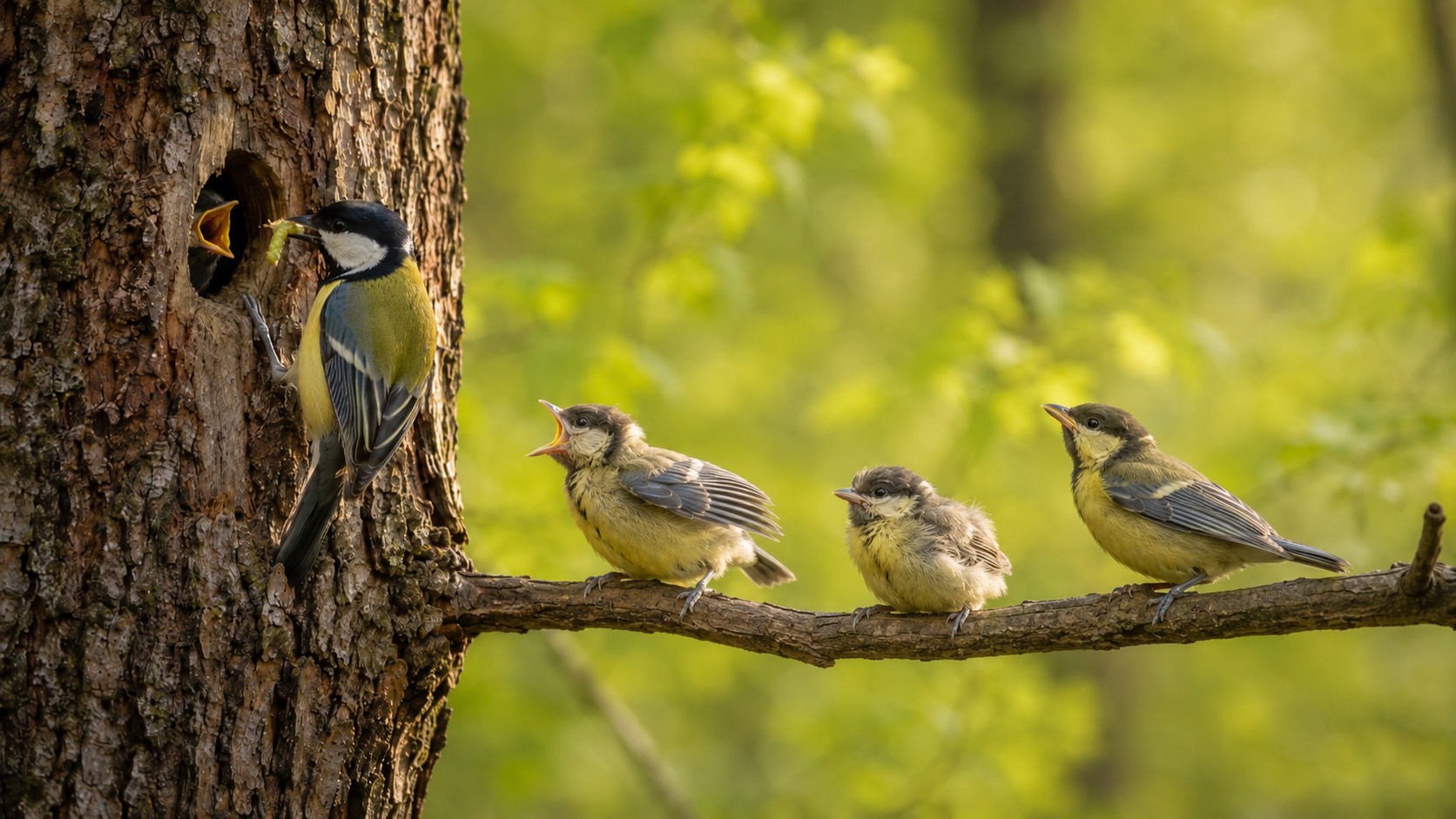
A bird's life begins inside an egg, developing through incubation as a parent — or, in some species, both parents in shifts — keeps it at a stable, warm temperature until it hatches. What happens next depends heavily on whether the species is precocial or altricial: a downy duckling can walk and feed itself within hours of hatching, while a nestling songbird hatches blind and helpless, entirely dependent on parents bringing food to the nest for one to several weeks before it can even leave.
Once a young bird leaves the nest (fledging) or, for precocial species, once it can move independently from hatching, it typically remains at least partly dependent on its parents for a further period — learning to find food efficiently and, for migratory species, sometimes making its first migration alongside experienced adults or, in some species, entirely on its own using inherited navigational instinct.
Growing up and first breeding
The time from hatching to sexual maturity — the age at which a bird can first breed — varies enormously by species. Many small songbirds can breed in their first year after hatching, while larger, longer-lived species such as many raptors, storks, and swans take several years to reach breeding age, reflecting a broader life-history pattern in which longer-lived species typically delay reproduction and invest more heavily in each breeding attempt.
The first year of life is, across nearly all bird species, by far the most dangerous period — inexperience finding food, avoiding predators, and (for migratory species) navigating a first migration combine to produce mortality rates considerably higher than in any later year. Birds that survive this first year gain real advantages from experience, and mortality drops substantially for older, more experienced individuals in most species.
Adulthood, breeding, and lifespan
Once mature, most bird species breed seasonally, timing nesting to coincide with peak food availability for raising the next generation, and many species repeat this breeding cycle annually for the rest of their lives. Lifespan itself varies enormously: many small songbirds have documented wild lifespans of several years despite popular assumptions of much shorter lives, while larger species with slower reproduction — storks, swans, many raptors, and most seabirds — regularly live a decade or more in the wild, with some of the longest-lived species reliably tracked past twenty years through long-term ringing programs.
Death in the wild comes overwhelmingly from predation, starvation, disease, and — for migratory species — the physical toll of long-distance travel, rather than old age in the way it's understood for humans, since very few wild birds survive long enough for age-related decline itself to become the leading cause.