How Many Bird Species Exist
Around 10,000 to 11,000 bird species are currently recognized worldwide, with the exact count shifting as taxonomists revise species boundaries and new species are described.
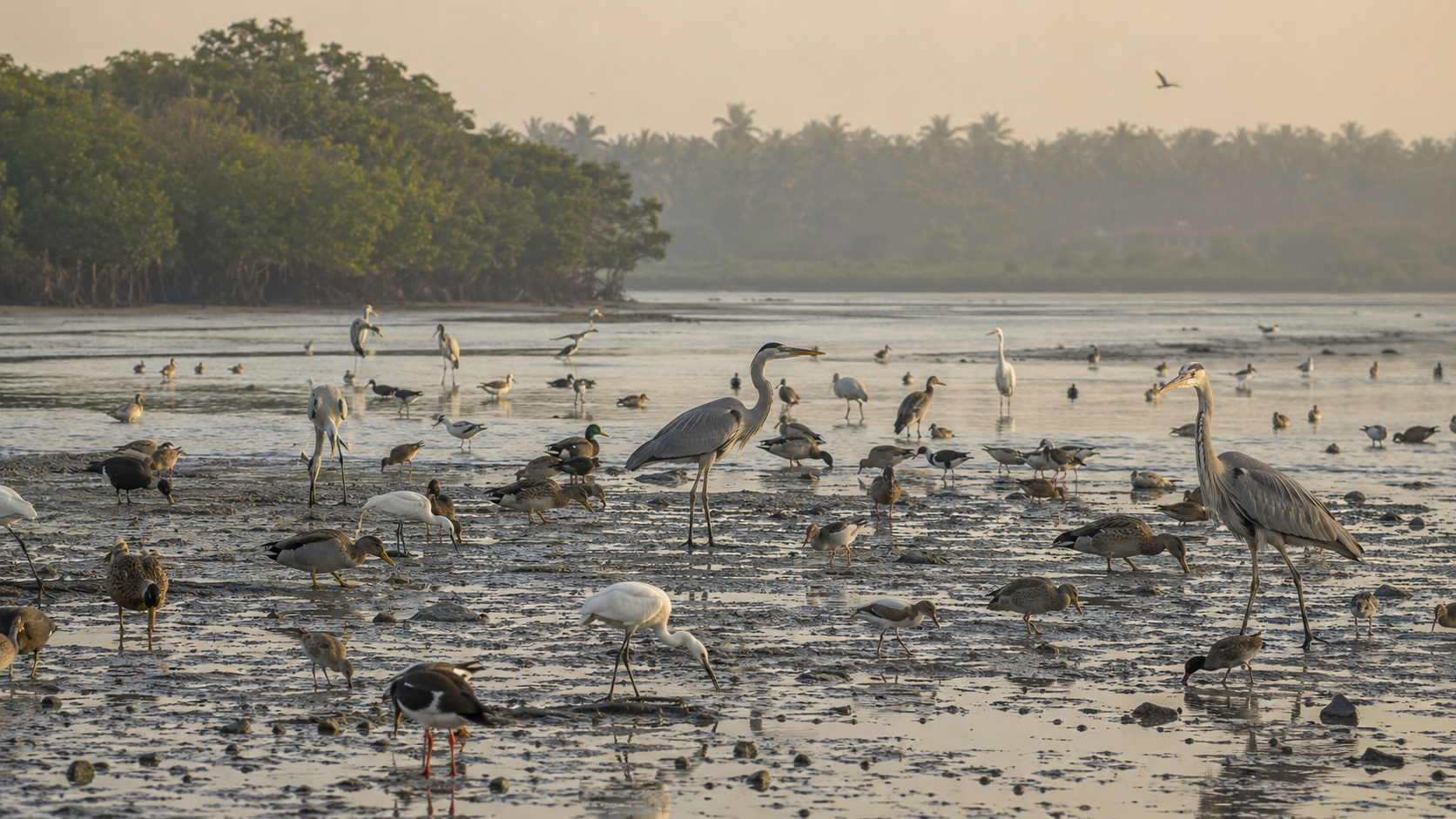
The current global count
Ornithologists currently recognize somewhere between roughly 10,000 and 11,000 living bird species worldwide, making birds one of the most diverse vertebrate classes on Earth — far more numerous than mammals, and rivaled among vertebrates mainly by fish. This figure is not a single fixed number agreed on by everyone: different major taxonomic authorities (the organizations that maintain official global species lists) apply somewhat different criteria for where to draw the line between a distinct species and a regional variant of the same species, producing slightly different totals depending on which list is consulted.
This atlas covers a relatively small, curated selection of species commonly encountered across the regions in its scope, a fraction of the global total — a deliberate choice to prioritize depth over an exhaustive but shallow catalogue.
Why the number keeps changing
Species counts are revised for two main reasons. First, ongoing DNA-based research regularly reveals that a population long treated as a single species is actually two or more genetically distinct species that simply look very similar — a process called a "taxonomic split" — while, less often, populations once considered separate species are found to be the same species and get merged. Second, new species are still occasionally described from remote or historically under-surveyed regions, particularly in dense tropical forest and on isolated islands, though at a far slower rate than in past centuries as most of the world's accessible bird diversity has already been documented.
Where diversity concentrates
Bird species are distributed very unevenly across the planet. Tropical regions near the equator — particularly in South America, Central Africa, and Southeast Asia — hold a dramatically higher concentration of species than temperate or polar regions of similar area, a pattern known as the latitudinal diversity gradient that applies broadly across many groups of plants and animals, not birds alone. Countries like Colombia, Peru, and Brazil, combining large land area with tropical latitude and highly varied terrain from lowland rainforest to high Andean habitat, consistently rank among the highest national bird species counts in the world, while regional atlas pages covering temperate zones such as Europe show correspondingly lower, though still substantial, species diversity.