Common Mistakes When Identifying Birds
The most frequent identification errors — judging color in bad light, ignoring sex and age differences, and misjudging size from a distance — and how to avoid each one.
Judging color in the wrong light
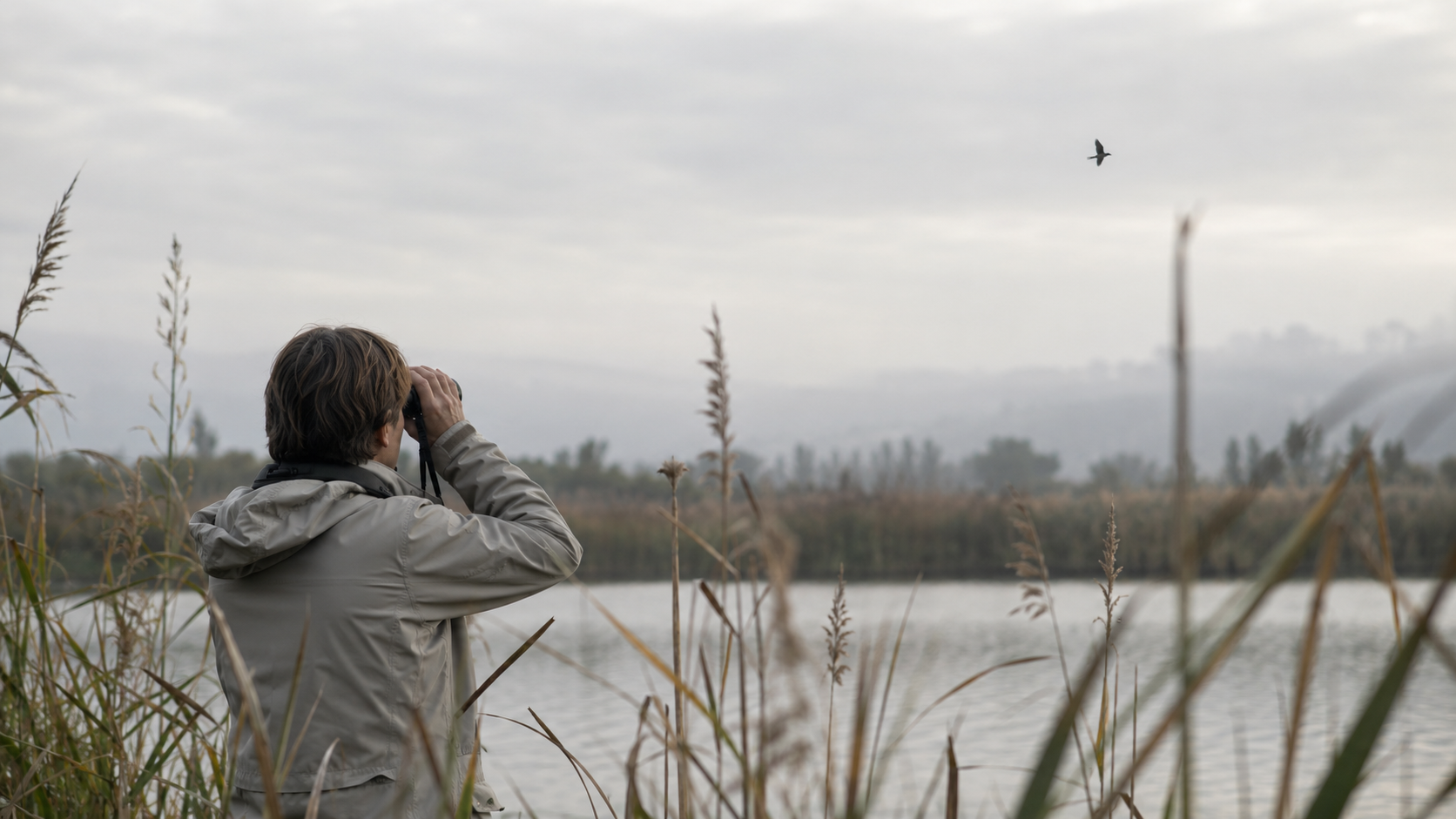
Lighting distorts perceived color more than any other single factor. A backlit bird against a bright sky, or one seen under heavy overcast, can appear uniformly dark or washed-out regardless of its actual plumage, making color-based identification unreliable in exactly these conditions. Where possible, try to view a bird with the light behind you rather than behind the bird, and treat a color judgment made in poor light as tentative rather than a confident data point — size, habitat, and behavior often carry more weight than color when lighting is working against you.
Overlooking sex and age differences
Many species show real differences in appearance between males and females, and between adults and juveniles, that a first-glance identification can easily miss. The common kestrel is a clear example: males have a distinctive blue-grey head, while females and juveniles are browner overall with a barred tail — someone expecting every kestrel to match the male's field marks could easily misidentify a female as an entirely different species. Checking whether a candidate species shows this kind of variation, described on its own species page, is worth doing before ruling a species out based on one plumage variant alone.
Misjudging size from a distance
Size is easy to misjudge without a reference object nearby, and distance compresses apparent size differences in ways that are easy to underestimate. A bird seen alone over open water or against open sky, with nothing nearby for scale, is especially prone to size misjudgment — pairing an uncertain size estimate with a confidently observed trait like beak shape or habitat reduces the risk of this single error derailing the whole identification.
Ignoring seasonal plumage change
A bird's appearance can shift meaningfully across the year through molt, and someone unaware of this can rule out the correct species simply because it looks duller or differently patterned than a reference image taken in a different season. Checking a species' expected appearance for the current season, where a page notes it, avoids incorrectly excluding a correct match on this basis.
Treating similar species as a single category
Several genuinely different species look similar enough at a glance to be routinely confused — this is common among gulls, several finches, and some warblers. Rather than settling for "close enough," comparing the shortlisted candidates' full species pages side by side, focusing on the specific details that do differ between them, resolves far more of these cases than relying on a single quick glance ever will.