What Is a Bird
Birds are a class of warm-blooded, egg-laying vertebrates defined by feathers, a beak without teeth, and a skeleton adapted for flight — even in species that no longer fly.
The traits that define a bird
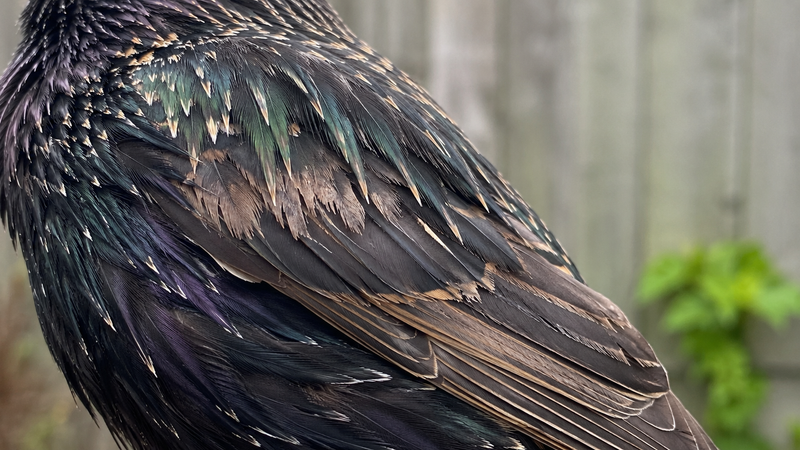
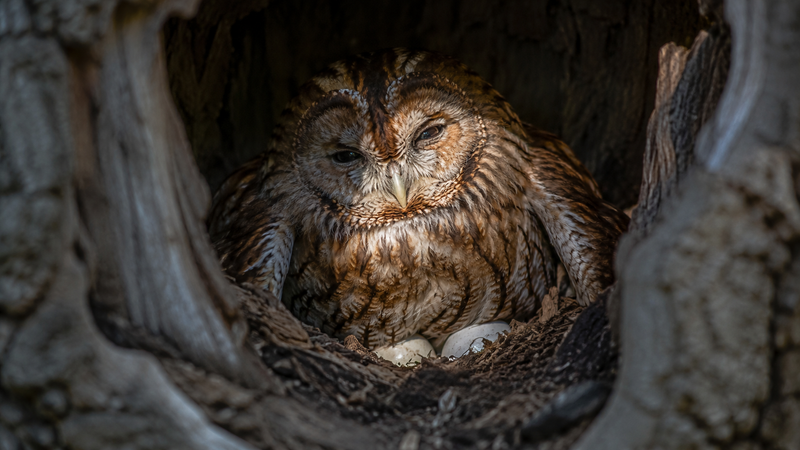
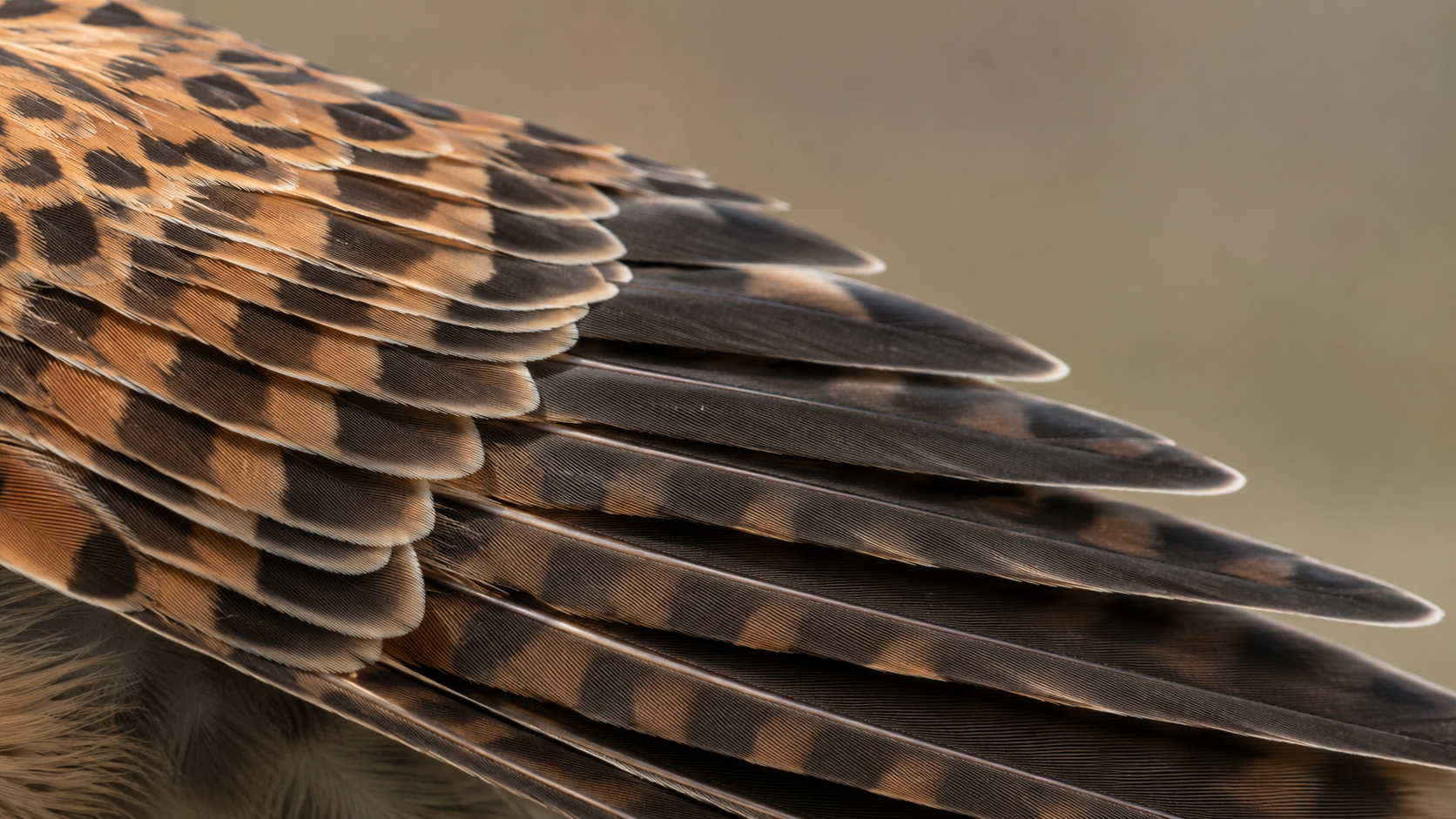
Birds form a distinct class of vertebrate animals, Aves, set apart from all other animal groups by a specific combination of traits rather than any single one. Feathers are the clearest defining trait — no other living animal group has them, and every bird has them, even flightless species that use feathers purely for insulation and display rather than flight. Birds are also warm-blooded (endothermic), maintaining a constant, typically quite high body temperature regardless of the surrounding environment, and they lay hard-shelled eggs rather than giving birth to live young, with incubation keeping the developing embryo warm until it hatches.
Birds also share a toothless beak — no living bird has teeth, a trait lost over evolutionary time in favor of a lighter skull, though some extinct bird ancestors did have teeth. Their skeleton is built around flight even in species, like ostriches and penguins, that no longer fly: hollow, air-filled bones reduce weight, and a keeled breastbone (the sternum's prominent central ridge) anchors the powerful flight muscles used to beat the wings — or, in flightless species, muscles repurposed for other functions like swimming.
Flight is common but not universal
Flight is strongly associated with birds but is not, by itself, what defines the class — several bird lineages have lost the ability to fly entirely while retaining every other trait that makes them birds. Ostriches, emus, and cassowaries rely on powerful legs for running instead, while penguins use flipper-like wings for swimming rather than flying through air. Because these species still have feathers, a toothless beak, and the reproductive and skeletal features shared across all birds, they remain firmly classified as birds despite the loss of flight itself.
This same logic explains why bats are not birds despite also flying: flight evolved independently in bats (mammals, with fur, live birth, and milk-feeding of young), in birds, and in the long-extinct flying reptiles called pterosaurs — three unrelated lineages that each solved the challenge of powered flight in their own way, a pattern biologists call convergent evolution.
Where birds fit in the animal world
Birds are most closely related, among living animals, to crocodilians — both groups descend from a shared reptilian ancestor, and birds are now understood by paleontologists to be the direct descendants of a specific lineage of theropod dinosaurs, making birds, in a very real evolutionary sense, dinosaurs that survived. This connection is visible in details like scaled legs (a trait shared with reptiles) alongside the feathers, keeled sternum, and other traits unique to the bird lineage that emerged from that dinosaur ancestry over tens of millions of years.