How Long Do Birds Live
Wild bird lifespan varies enormously by species and is shaped far more by size and first-year survival than by any simple rule — small songbirds can live years despite very high early mortality, while large seabirds and raptors often reach decades.
There's no single answer
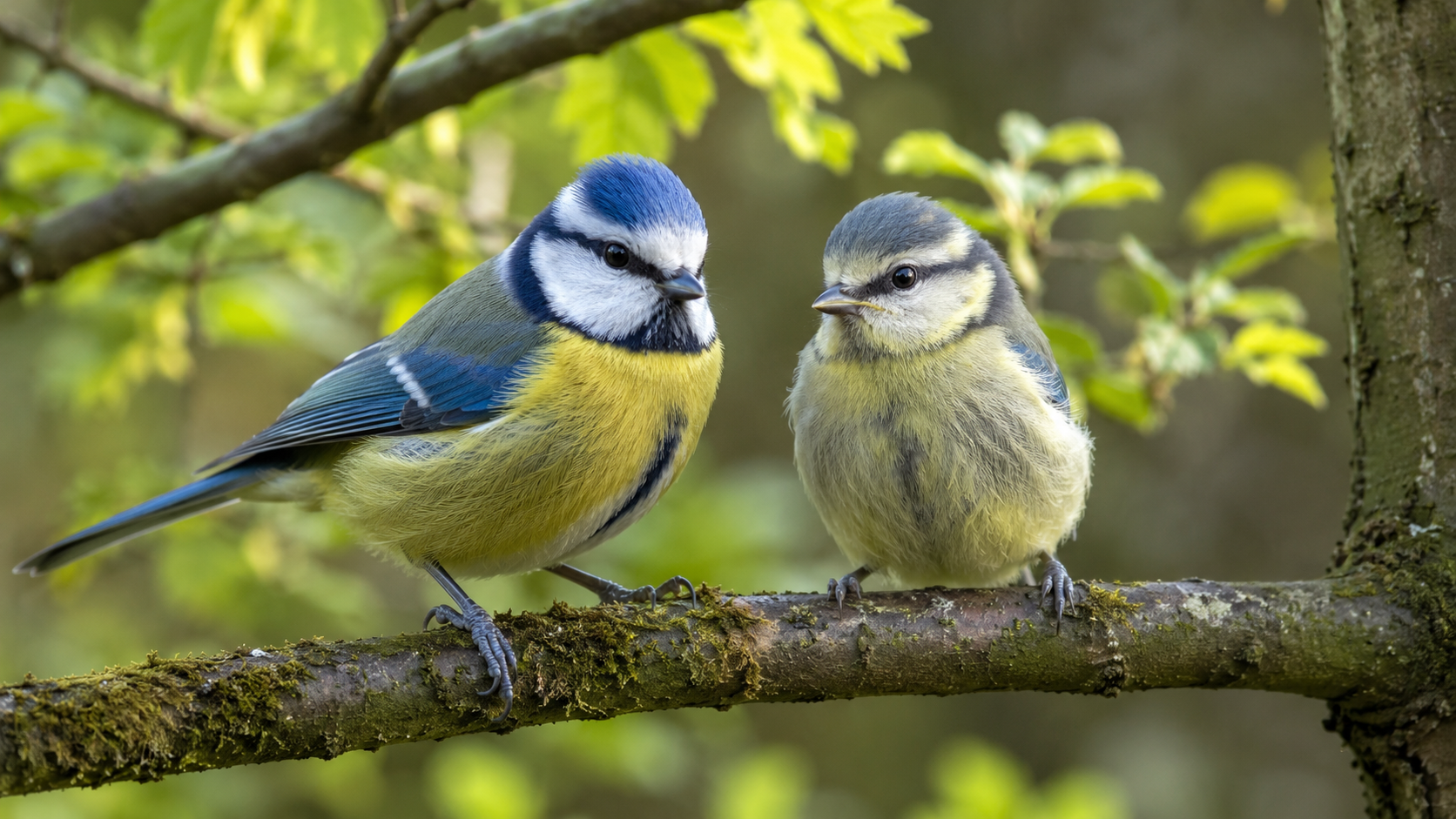
"How long do birds live" doesn't have one answer, because lifespan varies enormously across the roughly 10,000+ bird species alive today. A garden songbird and a large seabird sit at very different points on the same scale, and even within a single species, an individual's actual lifespan depends heavily on whether it survives its first year — by far the riskiest period in any bird's life cycle.
Small birds live longer than most people assume
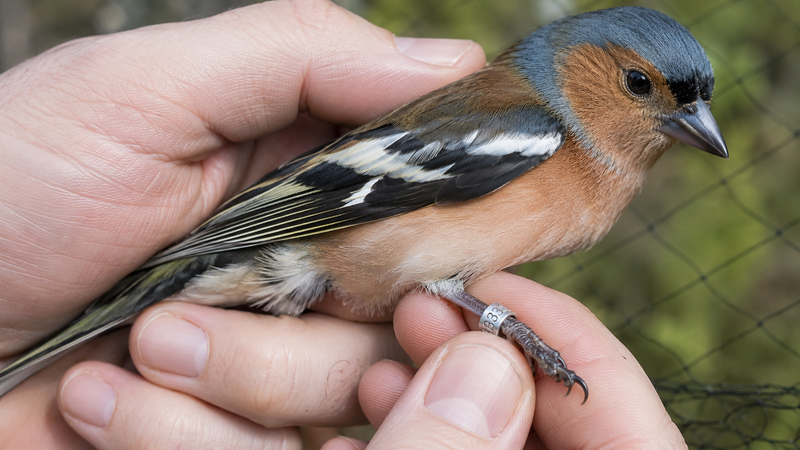
Popular assumption often puts small songbird lifespans at a year or less, but ringing records — birds fitted with individually numbered leg rings and later re-caught or recovered — regularly show garden species like tits, finches, and sparrows living several years in the wild. The confusion comes from a real but different fact: first-year mortality in small songbirds is very high, often over half of all fledged juveniles failing to reach their first birthday, due to predation, starvation, and inexperience. Average lifespan across a whole population is therefore pulled down sharply by early deaths, even though individuals who do survive that first year often go on to live considerably longer.
Why larger species tend to live longer
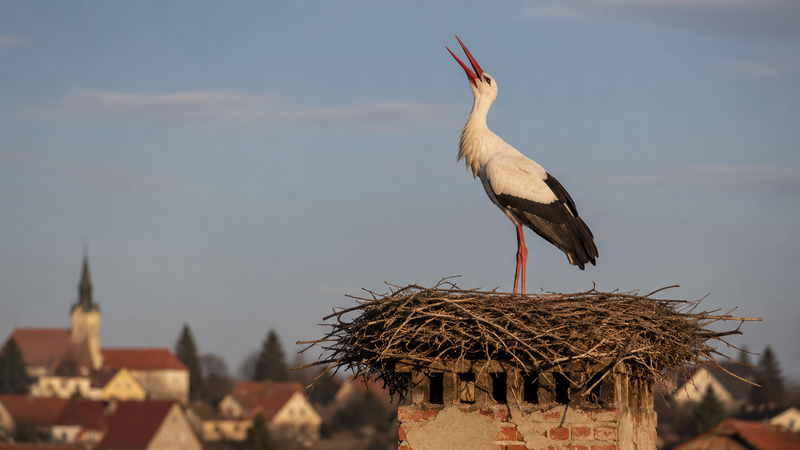
Across birds generally, larger-bodied species tend to live longer than smaller ones, and the pattern extends to a broader trade-off between reproduction speed and lifespan. Large birds — storks, swans, many raptors, and most seabirds — typically breed later in life, raise fewer young per attempt, and invest more care per offspring, spreading reproduction across many years rather than concentrating it early. This slower life-history strategy correlates with lower adult mortality, fewer natural predators once fully grown, and metabolic rates that support a longer overall lifespan. Some of the longest verified wild bird lifespans, tracked through decades of ringing data, belong to large seabirds and raptors reaching ages of twenty years or more — far beyond what any small songbird typically achieves.
What actually shortens or extends a bird's life
Beyond body size, several factors shift lifespan up or down within a species. Migration is physically costly and adds real mortality risk twice a year, so resident, non-migratory populations of a species can sometimes show longer average lifespans than migratory populations of the same species elsewhere. Habitat quality, predator pressure, food availability, and — increasingly — human-linked hazards such as habitat loss, collisions, and pollution all affect survival rates measurably. Conservation status itself often reflects this: species already under pressure from these factors tend to show reduced average lifespans and lower reproductive success compared with populations in more stable, better-protected habitat, which is part of why long-term ringing and monitoring data matters so much for conservation planning.