By Plumage Color
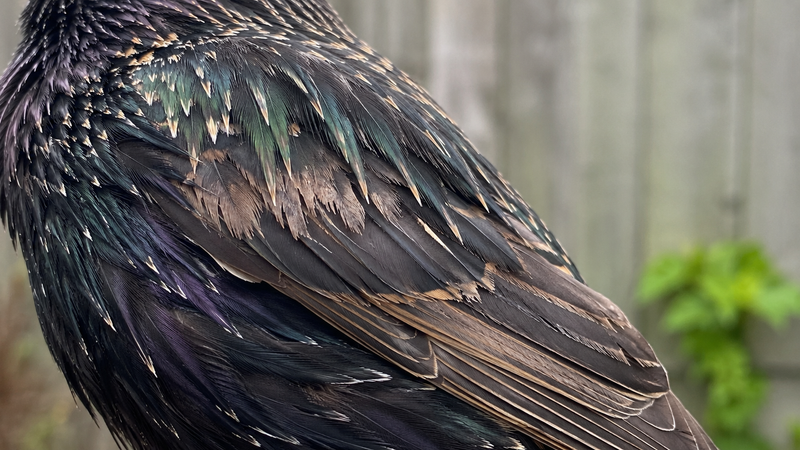
Sorting a bird by its dominant plumage color — brown/grey, black and white, rufous/red, blue/green, or yellow/bright — is the fastest first cut in identification.
Why color comes first
Plumage color is usually the very first thing a person notices about an unfamiliar bird, before size, beak shape, or behavior register consciously — which is why it works well as the opening filter in this identifier. The funnel groups birds into five broad color categories rather than dozens of precise shades, since a rough color group is both easy to judge in the field and still narrows the candidate list substantially.
The five color groups
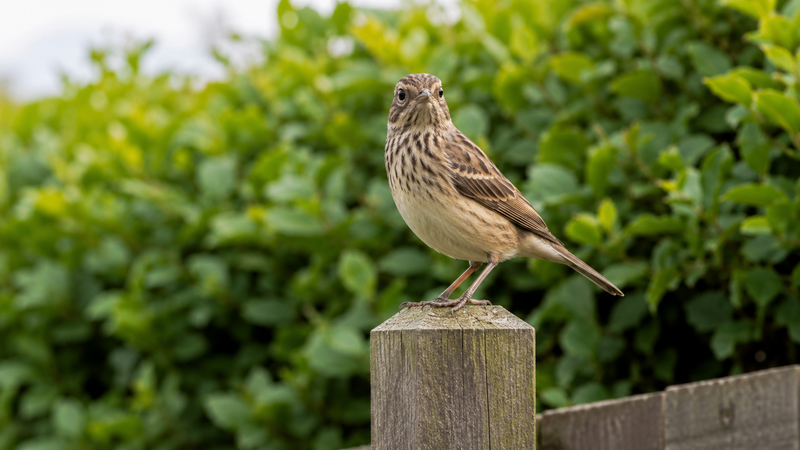
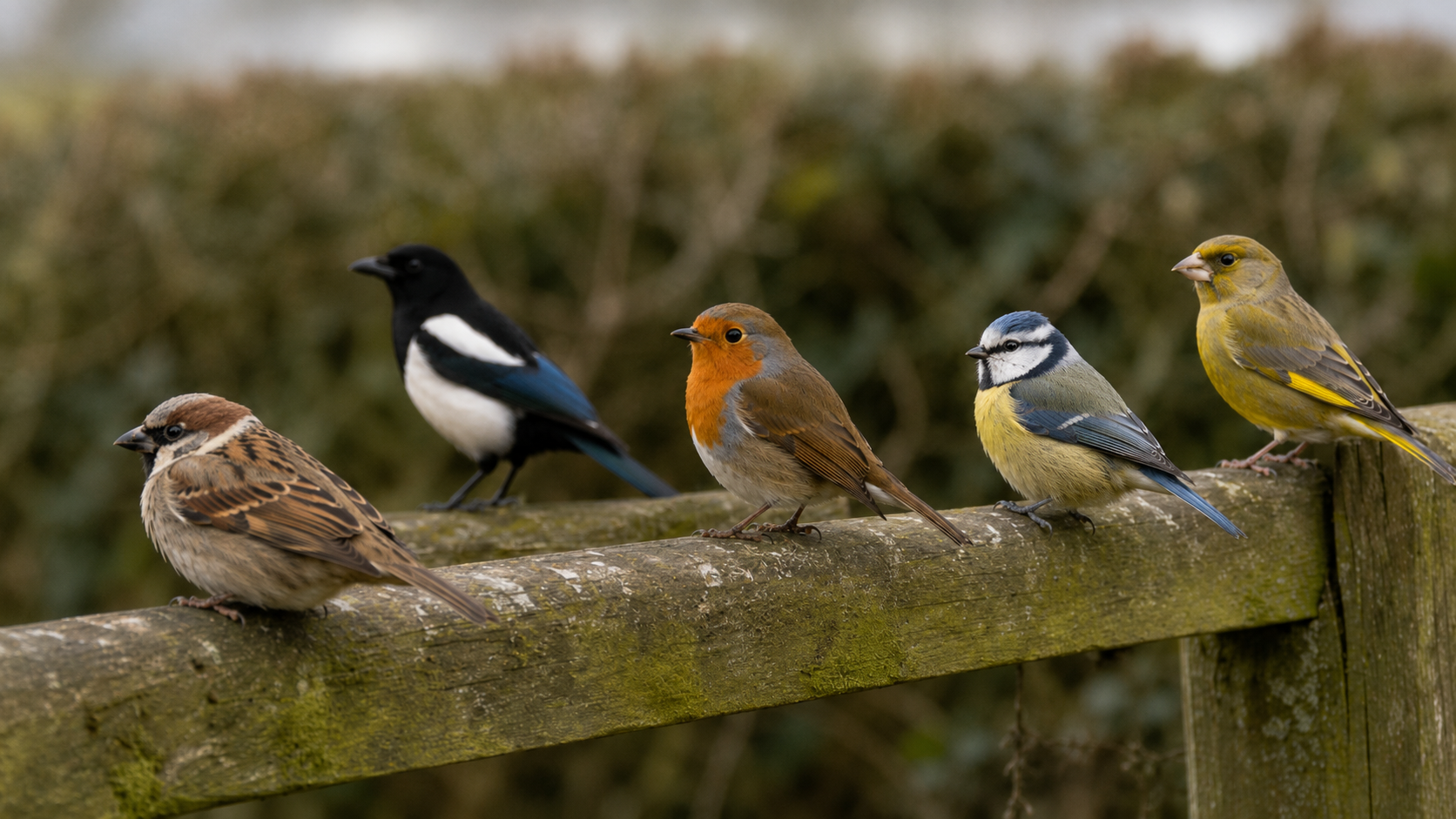
Brown / grey is the largest and least distinctive group, covering many common species such as the house sparrow and song thrush — birds relying on camouflage rather than display. Because this group is so large, pairing color with size or habitat is especially important here to narrow things down further.
Black and white covers strongly contrasting species like the Eurasian magpie and many gulls, where the pattern itself (solid blocks of black and white versus fine barring) is often as diagnostic as the colors.
Rufous / red includes warm reddish-brown or orange-toned birds such as the European robin, with its orange breast, and the male common kestrel, with its rufous-orange back.
Blue / green is a smaller but very recognizable group, including tits like the Eurasian blue tit, whose blue cap and wings stand out clearly even at a distance, and the emerald-green tones of the European greenfinch.
Yellow / bright covers species with prominent yellow patches or overall bright coloring, such as the European goldfinch, whose bright yellow wing-bar is often the first thing spotted in flight.
Combining color with other traits
A single color rarely narrows things down to one species on its own — brown/grey alone still leaves dozens of candidates. Color works best as a fast first cut that immediately rules out most of the catalogue, followed by size, habitat, or season to close the gap. Seasonal molt is also worth keeping in mind: some species look noticeably different between breeding and non-breeding plumage, so a bird seen in late summer eclipse plumage may appear duller or browner than its typical breeding-season description suggests.