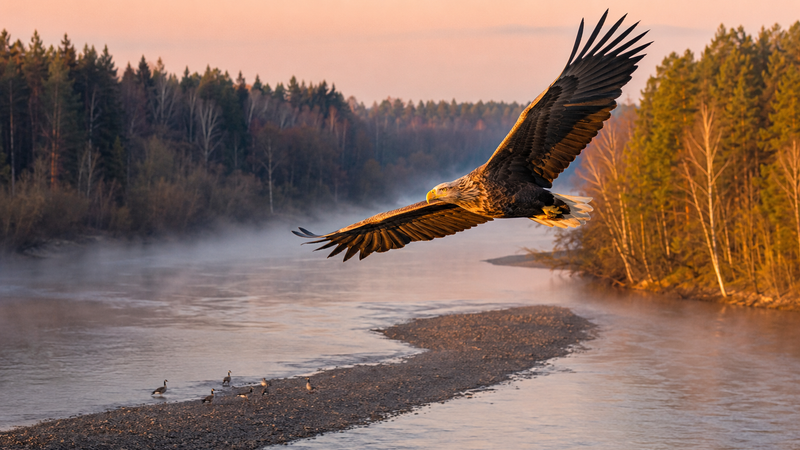
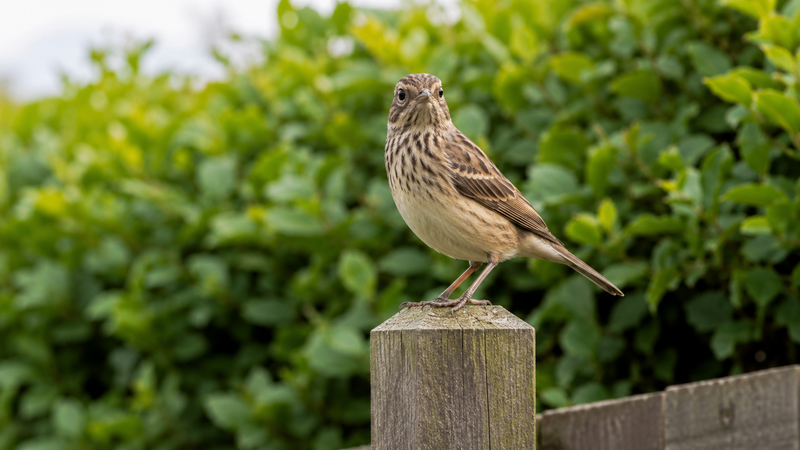
Birds of Leningrad Oblast
Leningrad Oblast's Baltic coastline, taiga forest, and countless lakes and bogs make it one of the richest wetland and forest birding regions in northwestern Russia.
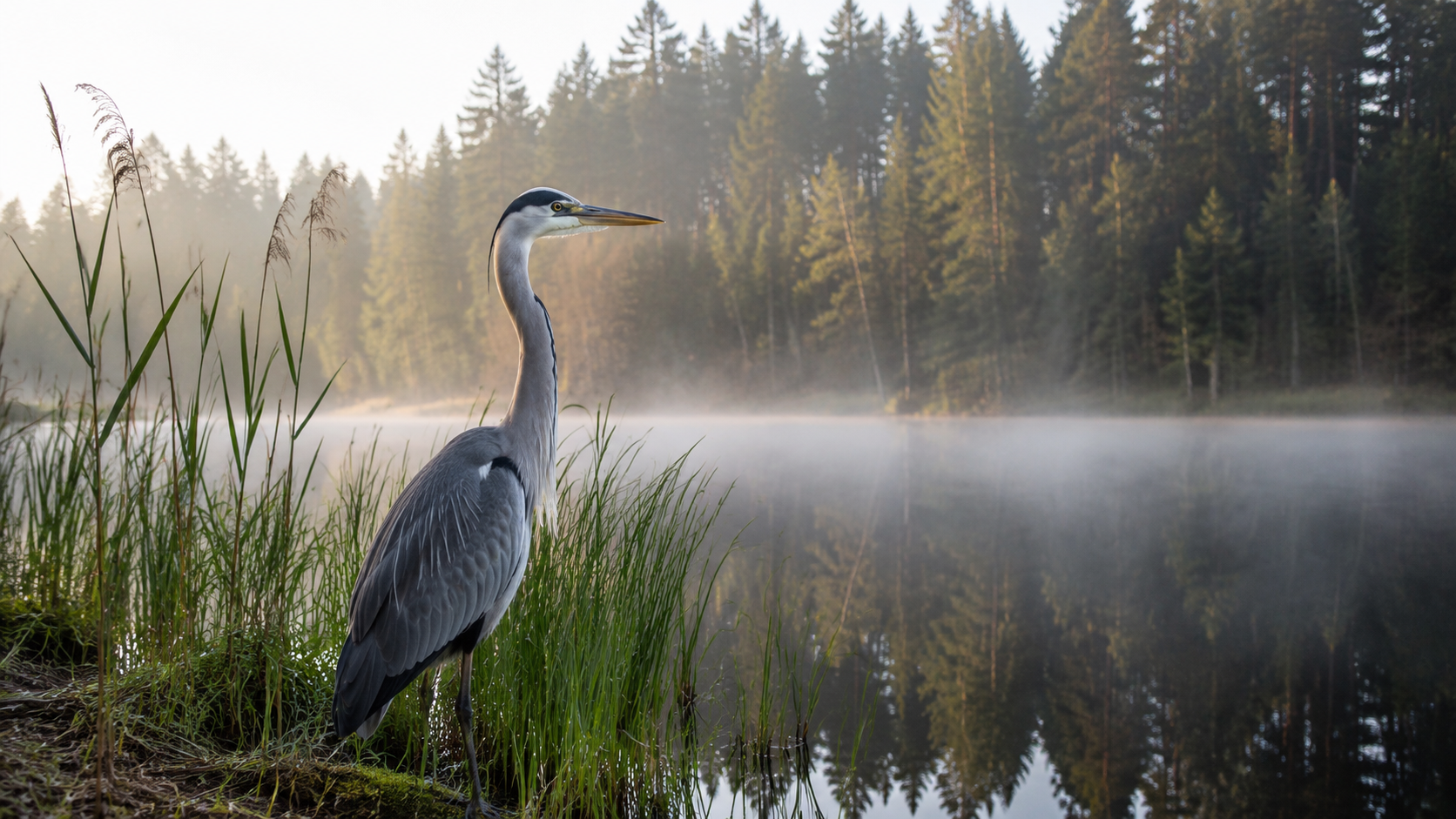
Taiga forest meets the Baltic coast
Leningrad Oblast surrounds St. Petersburg with a landscape shaped by its northern latitude and proximity to the Baltic Sea: extensive taiga forest of spruce and pine, countless lakes and bogs left behind by glacial retreat, and a stretch of Gulf of Finland coastline that adds an important wetland and coastal dimension not found in more inland central Russian regions. This combination of dense boreal forest and abundant open water supports a bird community noticeably different from the mixed forest and farmland typical further south around Moscow.
The oblast's wetlands, particularly around the Neva River delta and the many small lakes scattered across its territory, serve as significant stopover and breeding habitat for waterfowl and other wetland-dependent species during the spring and autumn migration periods.
Typical species of the region
Taiga forest across the oblast supports many of the same resident woodland species found across the wider central and northern Russian forest belt, including the great tit and coal tit, the latter particularly at home in the region's extensive spruce stands. Corvids such as the Eurasian jay and common raven are well represented in the more extensive, less disturbed forest tracts found here compared with more heavily farmed regions further south.
The oblast's abundant lakes, bogs, and coastal wetlands make it good territory for waterfowl, with the mallard common on virtually any body of open water and the mute swan found on larger, calmer lakes and sheltered coastal bays. The grey heron hunts the margins of the region's many lakes and slow rivers, while open farmland and forest-edge clearings support the ground-nesting Eurasian skylark and white wagtail along shorelines and paths.
Seasonality
The region's more northern latitude compresses the birding calendar somewhat compared with central Russia: spring migration arrives later, generally from April through May, as the oblast's lakes and coastal waters thaw and become accessible to returning waterfowl and other migrants. The breeding season through June and July benefits from long northern daylight hours, and autumn passage from August through September again brings a strong pulse of waterbirds staging along the coast and larger lakes before continuing south. Winters are long and cold, with only the hardiest resident forest species — tits, corvids, and a scattering of woodpeckers — remaining visible through the coldest months.
Conservation notes
The Gulf of Finland coastline and the oblast's wetlands face pressure from coastal development, shipping activity, and water pollution linked to the wider Baltic Sea region, making continued protection of key stopover sites important for the waterfowl and other wetland species that depend on this stretch of coast during migration. Inland, large intact taiga tracts remain comparatively well preserved relative to more heavily farmed regions further south, supporting forest specialists that need larger areas of undisturbed habitat.