Birds of Europe
From Atlantic coastlines to Alpine peaks, Europe packs an unusually wide range of bird habitats into a relatively compact area.
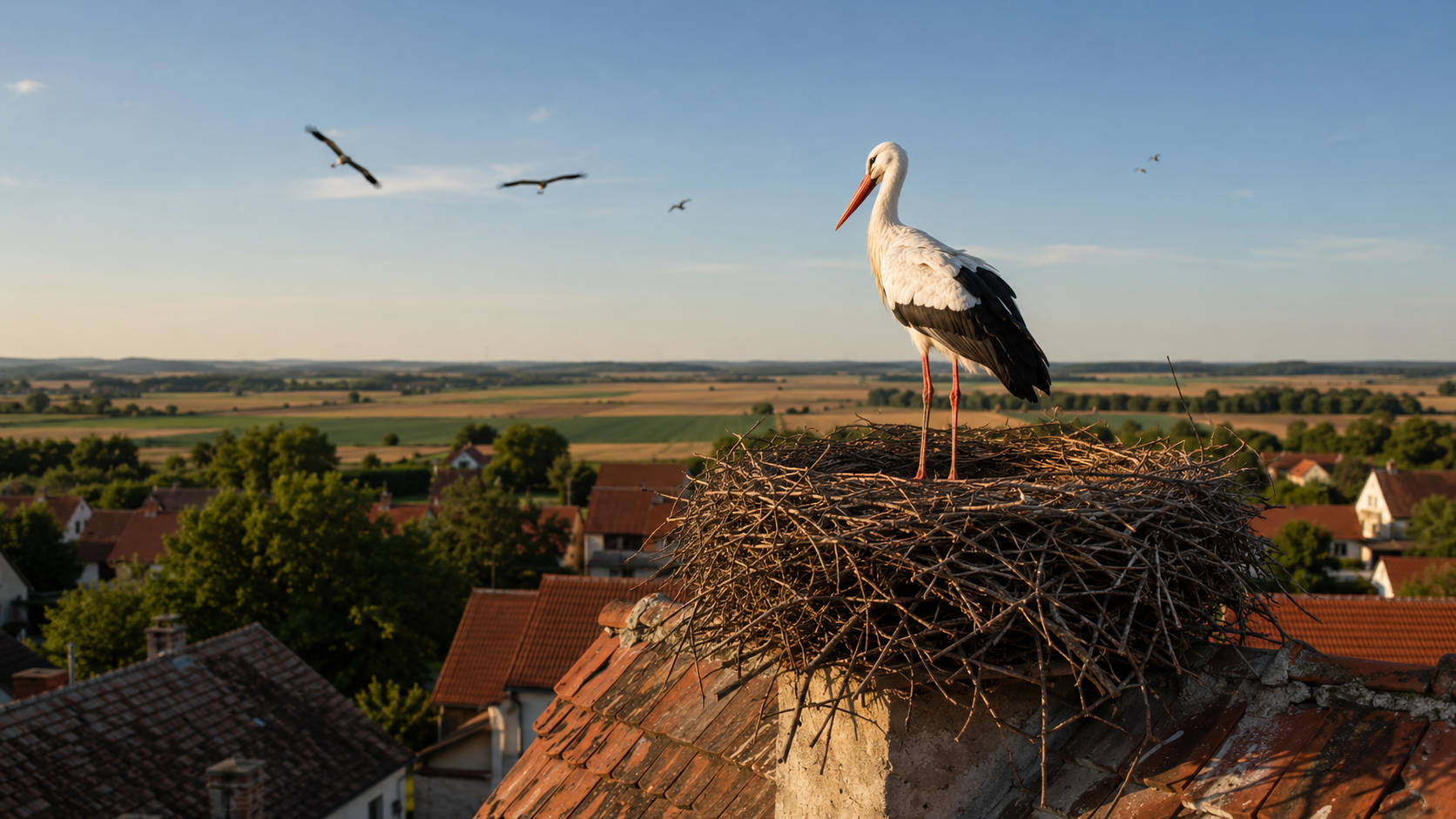
A compact continent with wide habitat variety
Europe packs an unusually broad range of bird habitats into a comparatively small area: Atlantic and Mediterranean coastlines, lowland farmland and river valleys, extensive temperate forest, and Alpine peaks all sit within a few hours' travel of one another in many parts of the continent. That compactness, combined with a long tradition of organized birdwatching and well-documented reserves, makes Europe one of the most thoroughly studied regions for bird distribution anywhere in the world.
Many species covered throughout this atlas — birds of prey, common songbirds, and widespread waterfowl among them — occur across temperate Europe, making the species catalogue a useful starting point for both the regional overview and the country pages in this section.
Species found widely across the continent
Farmland and woodland species such as the common chaffinch, great tit, and Eurasian blackbird are found across almost the entire continent, from the British Isles to the Black Sea steppes, making them a reliable baseline wherever in Europe a birdwatcher happens to be. Birds of prey including the common buzzard and common kestrel are similarly widespread, often visible over farmland and roadside verges throughout the continent.
The white stork holds particular cultural significance across much of Central and Eastern Europe and nests conspicuously on rooftops, chimneys, and purpose-built platforms in towns and villages. Wetland species such as the grey heron and mute swan are common on the continent's many lakes, rivers, and canals.
Seasonality in Europe
Spring migration reaches most of Europe from March through May, with breeding activity concentrated through May and June across the majority of the continent, though Mediterranean areas in the south see earlier arrivals and Scandinavian and northern regions see a later, more compressed season. Autumn passage runs broadly from August through October, as many species head south toward North Africa and beyond, while milder western and southern parts of the continent retain substantial resident and short-distance migrant populations through winter, in contrast to the more fully migratory patterns typical of colder continental interiors further east.
Countries of the region in this atlas
Germany opens Europe's country-level coverage thanks to its central position and habitat diversity. Alongside it are pages for Norway, Spain, Finland, Iceland, and Hungary, which together give a fuller picture of the continent's regional variation.