Birds of Asia
Asia stretches from Siberian taiga through Central Asian steppe and desert to the monsoon forests of the south and east, making it the most ecologically varied region in this atlas.
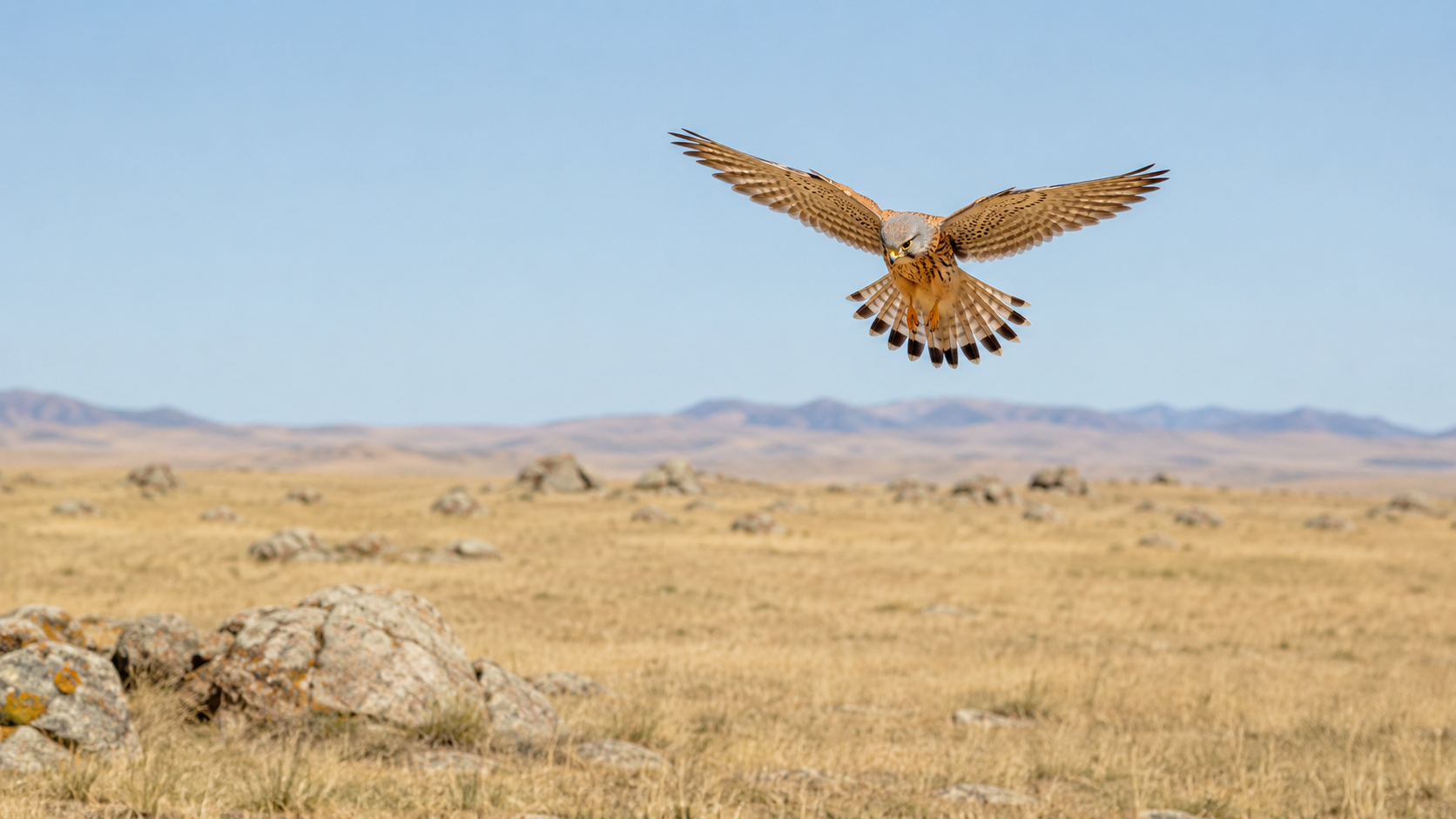
The most ecologically varied region in this atlas
No region covered in this atlas spans a wider range of climates and habitats than Asia. Within its boundaries sit the cold taiga forest of Siberia, the arid steppe and desert basins of Central Asia, the monsoon-driven forests of South and Southeast Asia, and the temperate, densely populated landscapes of East Asia — each supporting a substantially different bird community shaped by very different rainfall, temperature, and vegetation patterns. This overview page necessarily sits at a much higher level of generalization than the individual country pages beneath it, which is where most of the detailed, locally grounded material in this section will live.
Asia's northern and western reaches share many species across Siberia and the steppe zone, while its southern and eastern portions bring in bird families and species not represented anywhere else in this collection.
Species with a genuinely Asia-wide range
A number of species covered throughout this atlas range widely enough to appear across large parts of Asia regardless of specific subregion. The common kestrel hunts open country from the Middle East through Central Asia to the Asian Far East, and the barn swallow breeds across an enormous swath of the continent each summer before migrating to wintering grounds further south. The grey heron and mallard are similarly widespread on suitable wetlands from Turkey to Japan, making them a reliable identification starting point almost anywhere on the continent.
Seasonality across such a wide region
Generalizing seasonality across the whole of Asia is of limited use given the scale involved, but a few broad patterns hold: continental interior and northern areas follow a strongly seasonal pattern similar to Siberia, with a compressed spring migration and breeding season from April through July and a long, birdlife-quiet winter, while southern and coastal Asia, influenced by monsoon rainfall patterns rather than temperature alone, sees very different seasonal rhythms tied to wet and dry seasons rather than a simple spring-to-autumn migration cycle. Individual country pages will cover these patterns in the detail a single continental overview cannot.
Countries of the region in this atlas
China opens the country-level coverage — thanks to its scale, habitat diversity, and position along the East Asian-Australasian Flyway. Alongside it are India, Japan, Vietnam, Nepal, and Mongolia, covering monsoon, mountain, steppe, and island zones of Asia.