Bird Feeder
A bird feeder provides supplementary food, most valuably in winter, and lets birdwatchers observe species up close — but it needs regular cleaning to avoid spreading disease.
Why and when to feed birds
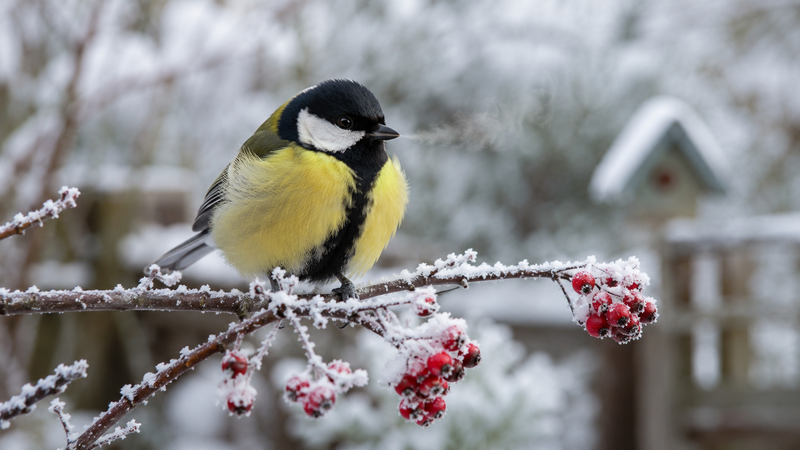
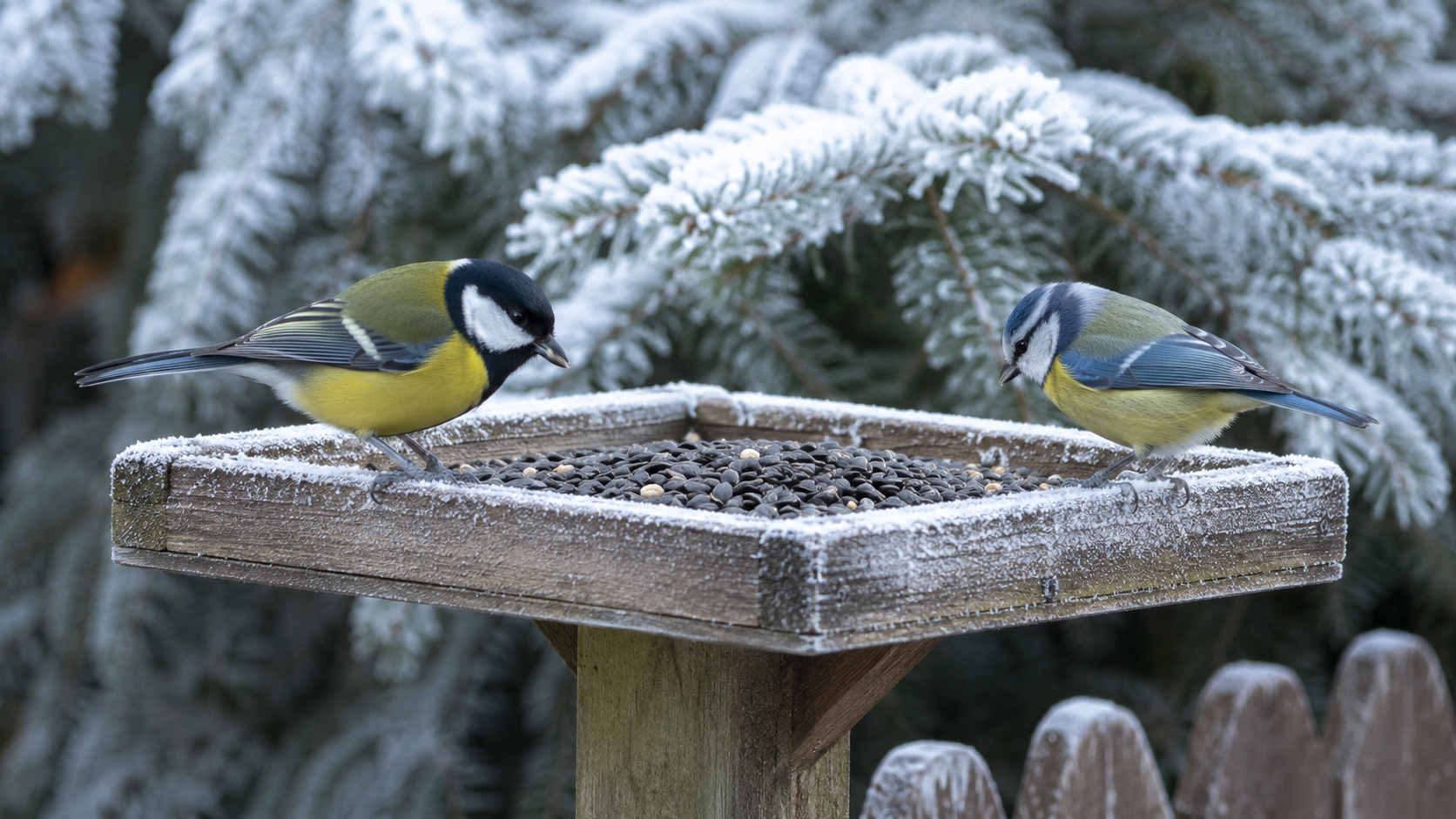
A bird feeder offers supplementary food to wild birds, most valuably during winter, when natural food — insects, seeds, and berries — is scarcest and cold nights sharply raise a small bird's energy requirements just to maintain body temperature overnight. Species such as the great tit and house sparrow readily use feeders and can make up a meaningful share of a local population's winter diet where feeders are consistently maintained, though wild food sources still make up the bulk of most birds' diet even in gardens with regular feeding.
Feeding through spring and summer is optional rather than necessary for survival, since natural food is abundant, and some care is needed during the breeding season: whole peanuts or large seeds can choke nestlings if adults carry them back to a nest, so smaller, softer foods or feeders designed to prevent whole-item removal are generally recommended while chicks are being fed.
Keeping feeders safe
Because a feeder concentrates birds from a wide surrounding area onto one small surface, it can also concentrate disease transmission if not maintained properly. Diseases such as trichomonosis and salmonellosis spread readily when infected birds contaminate a shared feeding surface that other, healthy birds then use — regular cleaning of the feeder itself, raking up spilled seed and droppings beneath it, and occasionally relocating the feeder a short distance all reduce this risk. A feeder showing signs of a local disease outbreak — several sick or dead birds nearby — should be taken down and thoroughly cleaned before being put back up, or left down for a period to let birds disperse.
Feeder placement close to natural cover such as shrubs gives visiting birds a quick escape from predators like sparrowhawks, which readily learn to hunt around well-stocked feeders, while still keeping the feeder visible enough for birdwatching.