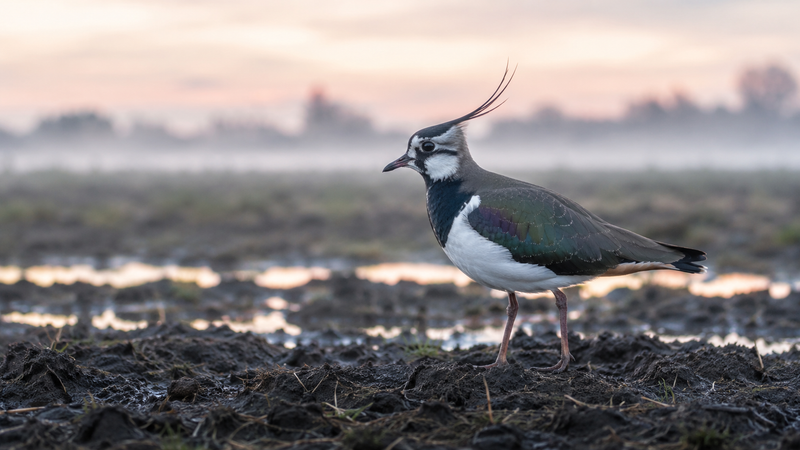
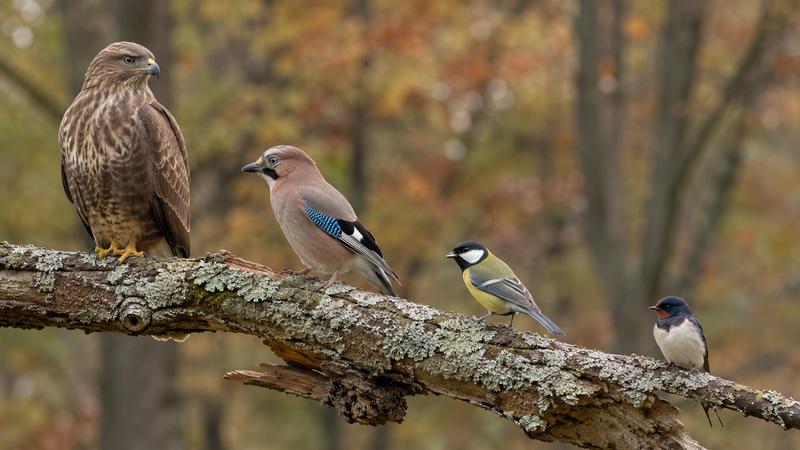
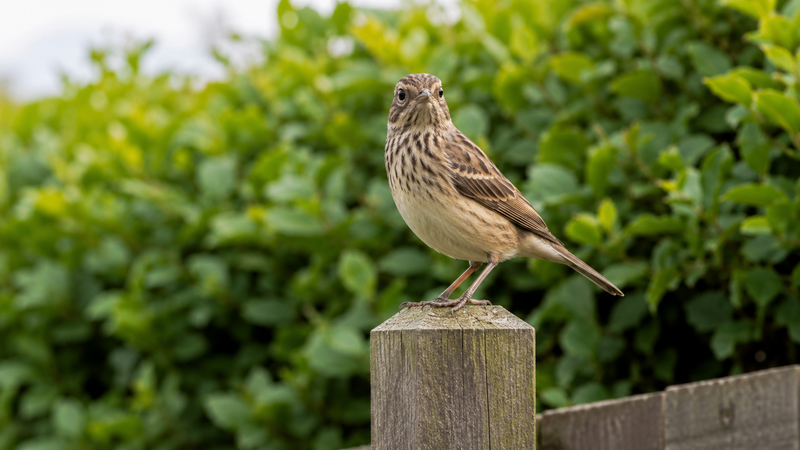
Gulls (Laridae)
The gull family: adaptable, highly social waterbirds ranging from the small, brown-hooded black-headed gull to the larger, plain-billed common gull, equally at home on coasts and inland waters.
What makes Laridae a family
Laridae, the gull family, comprises around 55 species of highly adaptable waterbirds found on every continent, unified by a stocky, well-muscled body built for strong and sustained flight, webbed feet for swimming and resting on open water, and a moderately long, slightly hooked bill suited to an unusually broad and opportunistic diet. Few other bird families match gulls for sheer dietary and habitat flexibility, spanning fish, aquatic and terrestrial invertebrates, and readily scavenged food of almost any kind.
This generalist strategy has made gulls one of the most successful bird families in human-modified landscapes, with many species thriving not only on natural coasts and wetlands but also on farmland, at refuse sites, and in urban environments, a pattern clearly reflected in both species covered so far in this atlas, each of which forages extensively well away from open coastline.
Distinctive traits across the family
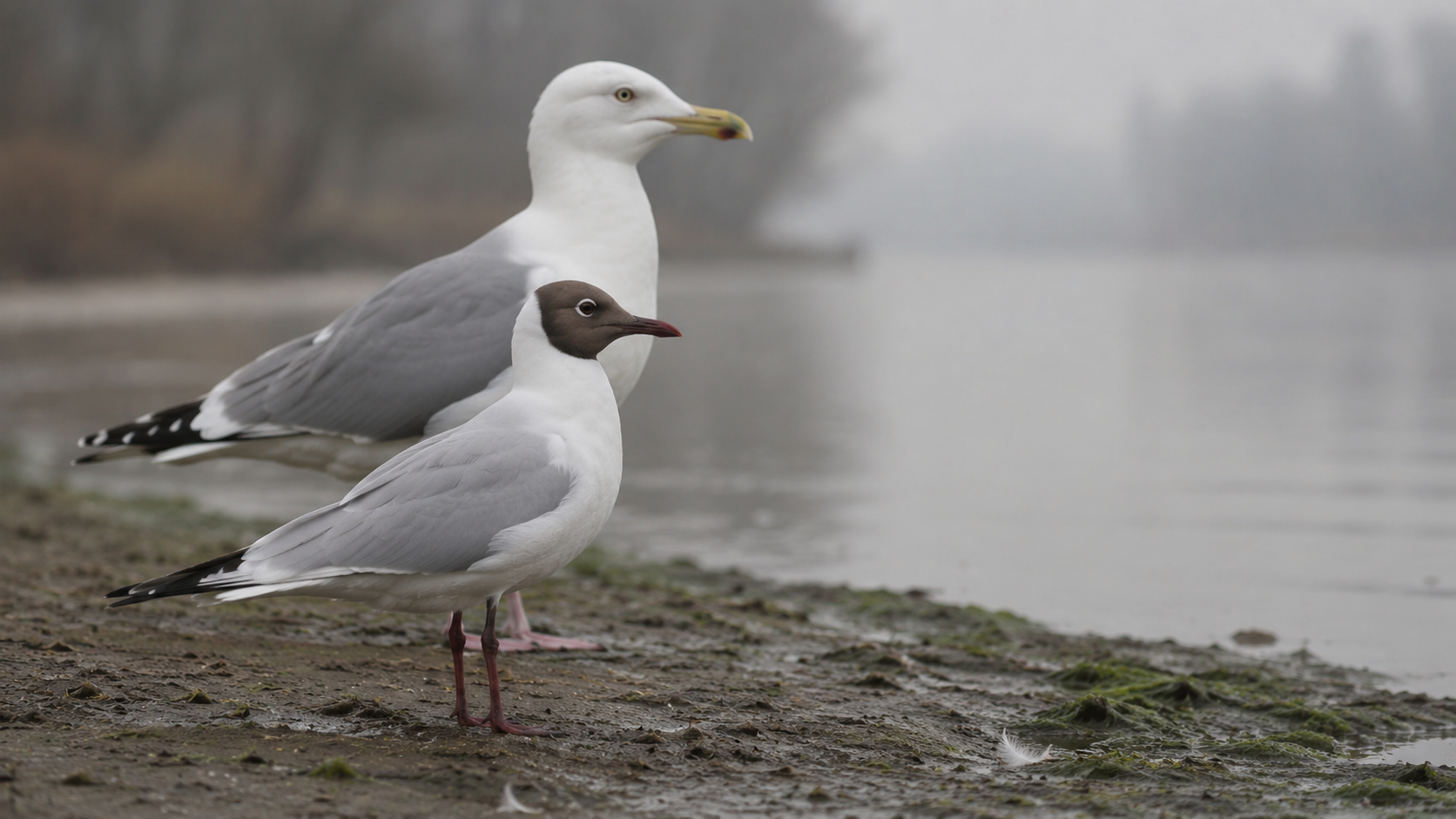
The two species covered here highlight a common source of confusion within the family: a broadly similar white-bodied, grey-backed appearance that requires attention to finer detail for confident identification. The black-headed gull is the smaller of the two, with a distinctive dark breeding hood and a red, dark-tipped bill, while the common gull is larger, lacks any hood, and carries a plain yellow-green bill without red — differences that become straightforward with a little practice, especially when both species can be compared side by side.
Both species also illustrate the family's strong tendency toward colonial or highly social behavior, breeding in dense colonies and gathering in large, often mixed-species flocks outside the breeding season, a pattern that offers some collective protection against predators and makes gull colonies and roosts among the more conspicuous and easily observed bird gatherings in their respective habitats.
Species in this family
This atlas currently covers two members of Laridae: the black-headed gull (Chroicocephalus ridibundus), Europe's most familiar small gull, easily known by its chocolate-brown breeding hood; and the common gull (Larus canus), a larger, clean-headed species most often seen during spring and autumn passage across much of inland Russia and continental Europe. Further Laridae species native to the atlas's covered regions will be added to the catalogue over time.
Where and when to watch this family
Lakes, rivers, reservoirs, wet farmland, and coastal areas are all productive places to look for this family, and because both species covered here include populations present well beyond the immediate breeding season, gulls can typically be found on suitable waters from spring through autumn, with the common gull in particular most conspicuous during the spring and autumn passage periods when migrating flocks pass through inland sites in greater numbers.