Conservation Status of Birds (LC/NT/VU/EN/CR)
Conservation status is a standardized IUCN category — from Least Concern to Extinct — measuring how close a species is to disappearing across its entire range.
The IUCN Red List categories
Conservation status is a standardized assessment of how likely a species is to go extinct, most widely applied through the IUCN Red List categories used throughout this atlas. In increasing order of concern: LC (Least Concern) covers species with no significant extinction risk based on current data; NT (Near Threatened) covers species likely to qualify for a threatened category in the near future; VU (Vulnerable), EN (Endangered), and CR (Critically Endangered) represent progressively higher extinction risk based on criteria such as population size, rate of decline, and range size; and EW (Extinct in the Wild) and EX (Extinct) mark species that survive only in captivity or not at all.
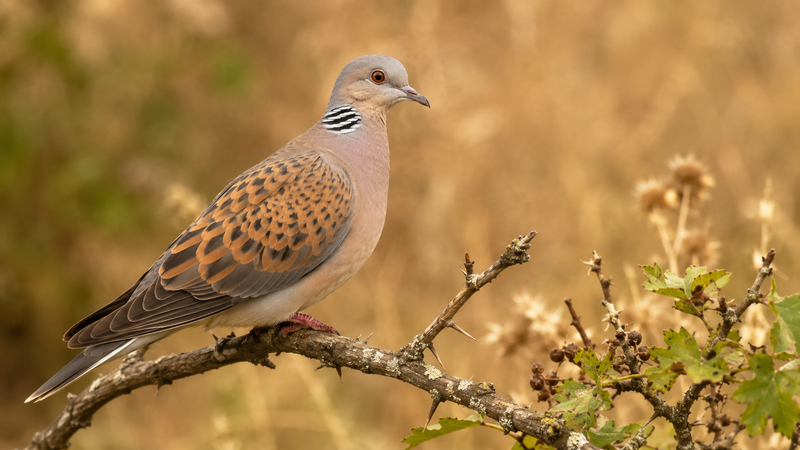
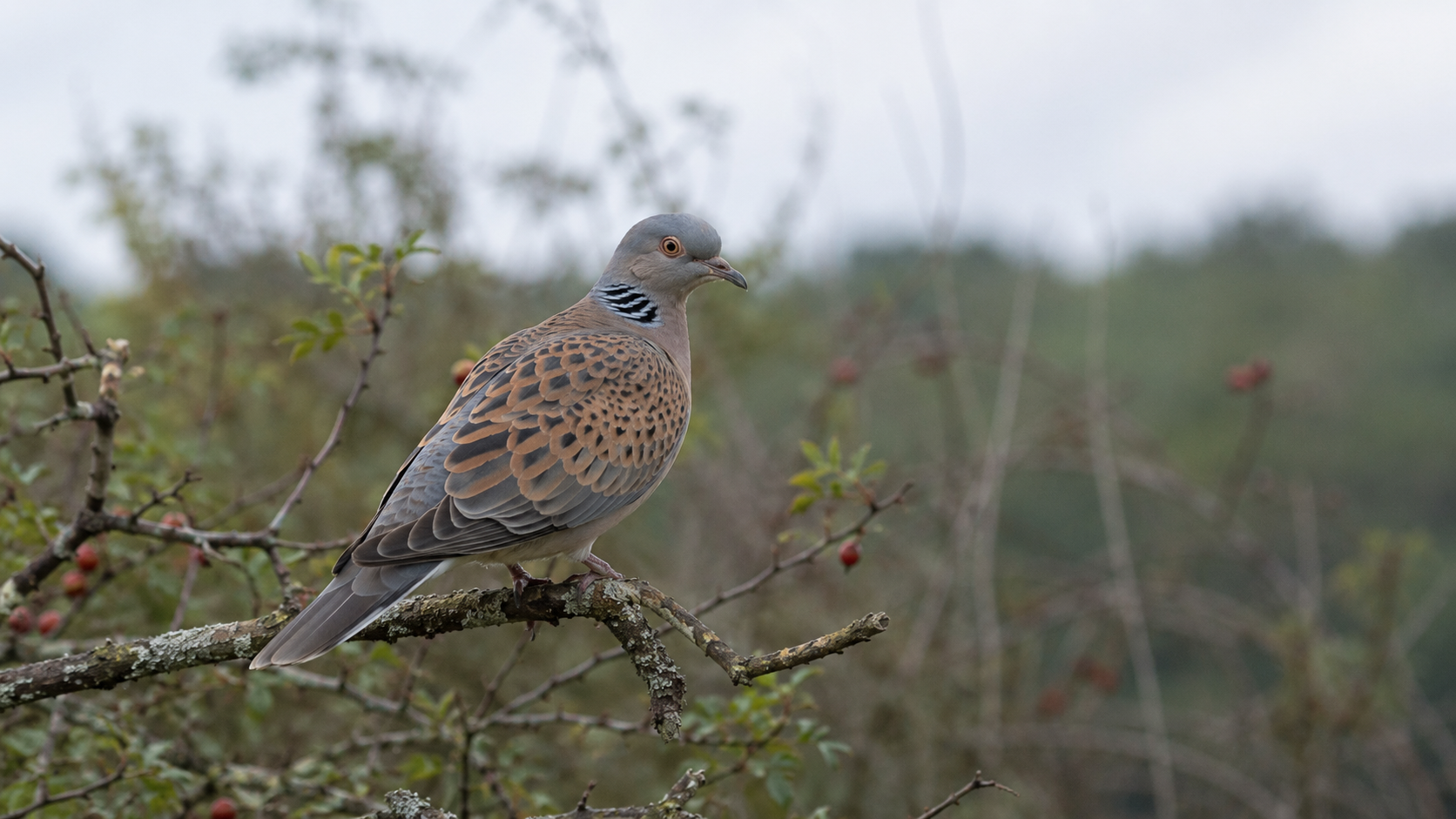
Most species covered in this atlas carry an LC status, including familiar birds like the common starling and great tit. A smaller number carry NT or VU, such as the white-tailed eagle (NT) and European turtle dove (VU) — the turtle dove is a striking example of a species still fairly widespread but undergoing a rapid, well-documented decline across much of its European range, driven largely by agricultural intensification and hunting pressure along migration routes.
Global status vs. local trend
Global conservation status and local population trend are related but distinct measures. A species can hold LC status globally, reflecting a large total population across a wide range, while still declining steeply in a specific country or region due to local habitat loss — a pattern conservationists watch closely, since local declines in an otherwise common species can be an early warning sign before the global status itself changes. National Red Data Books, including Russia's, sometimes assess the same species differently from the global IUCN listing, reflecting the fact that a species can be secure worldwide but genuinely rare or declining within one country's borders.