Birdwatching
Birdwatching is the recreational observation and identification of wild birds, ranging from casual garden watching to structured trips to specific sites and seasons.
What birdwatching involves
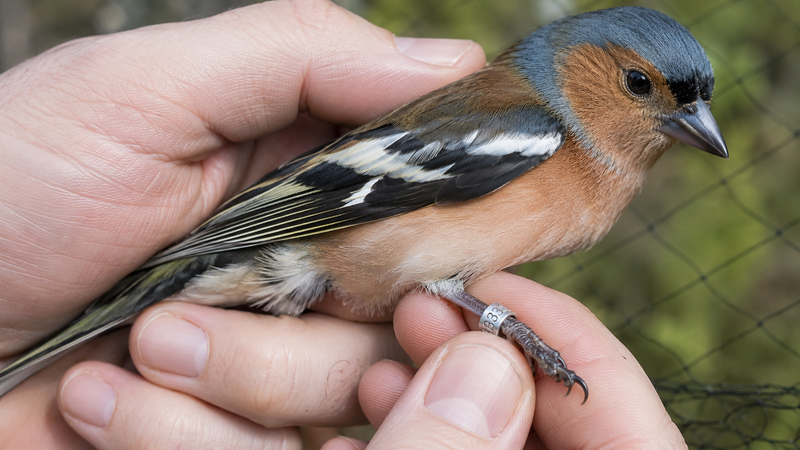
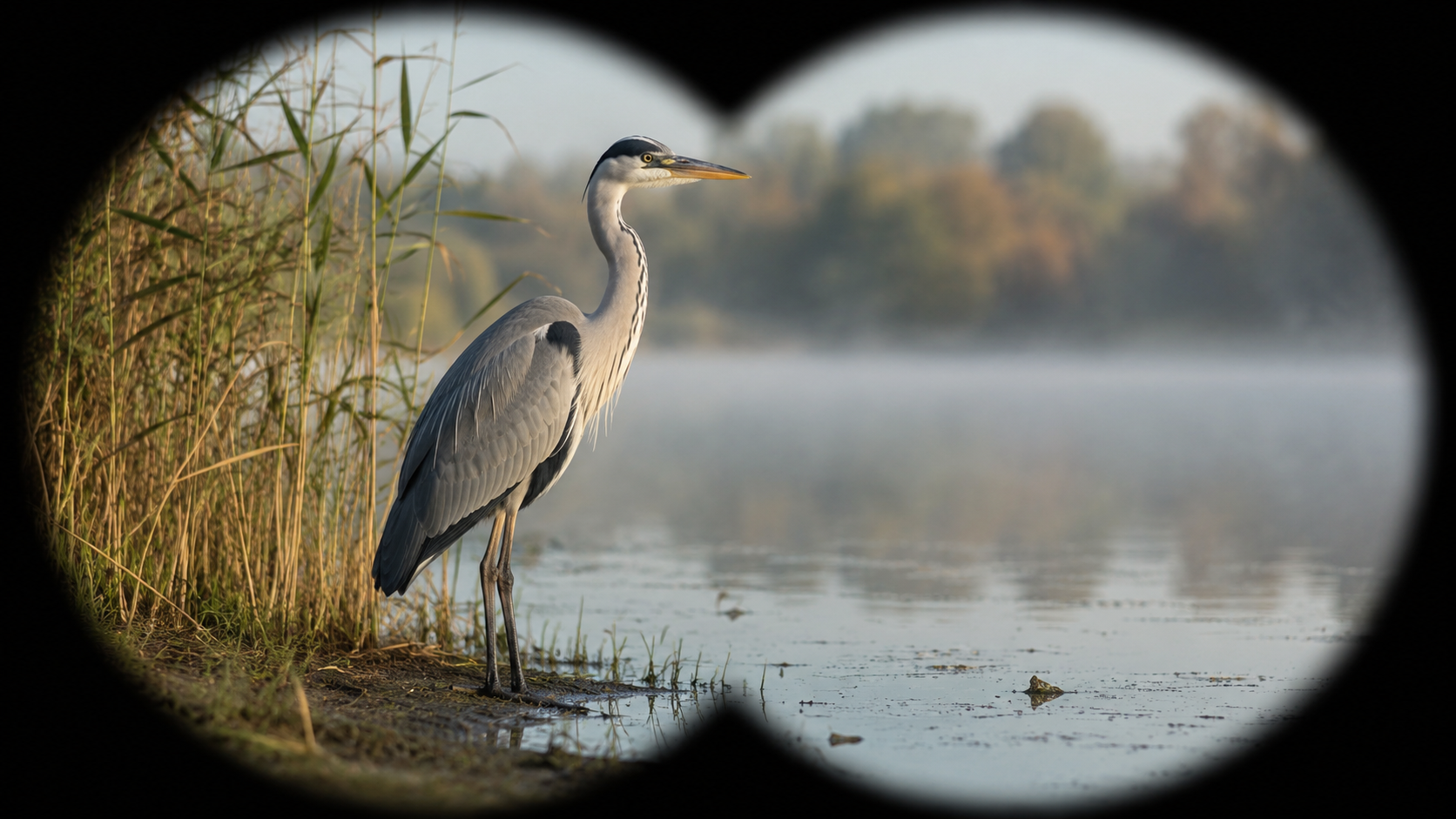
Birdwatching is the observation of wild birds for recreation, ranging from watching visitors to a garden feeder through binoculars to organizing trips around a specific site, season, or target species. It sits at the intersection of a hobby and informal science: birdwatchers' records, submitted to citizen-science platforms and local recording schemes, contribute real data on distribution, migration timing, and population trends that professional ornithologists use alongside more formal survey methods like ringing programs.
Most birdwatching activity concentrates around a small set of practical factors: time of day (many species are most active and vocal in early morning), season (spring and autumn passage periods, when migratory and passage species pass through, are typically the most productive), and habitat (wetlands, forest edges, and coastal sites tend to concentrate a higher diversity of species than any single habitat type alone).
Equipment and identification
Binoculars are the single most useful piece of equipment, since fine identification details — eye-ring color, wing-bar pattern, bill shape — are simply invisible at typical unaided viewing distances. A spotting scope adds further magnification for distant subjects such as waders on a mudflat or raptors soaring high overhead, at the cost of portability. Beyond optics, identification relies on a field guide or a structured tool such as this atlas's bird identifier, which narrows candidates by traits like plumage color, size, beak shape, habitat, and season rather than requiring the observer to already know what they're looking for.
Recording what is seen — species, date, location, and count — turns casual observation into data with lasting value, whether kept privately or submitted to a citizen-science database, and is often what distinguishes structured birdwatching from simply noticing birds in passing.