Egg Clutch
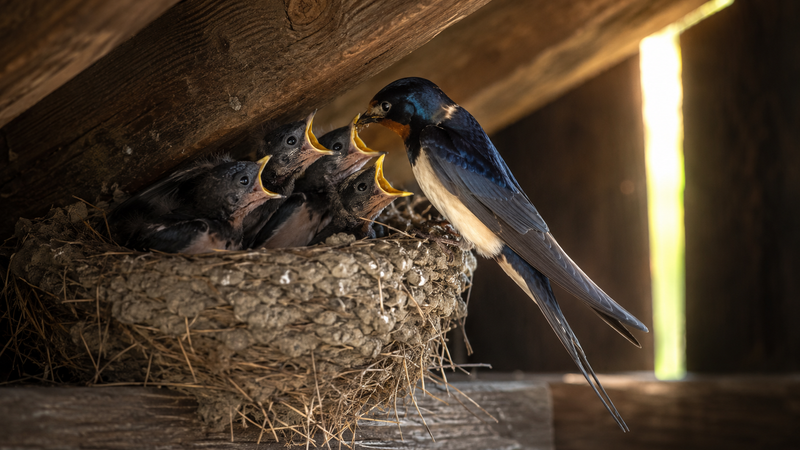
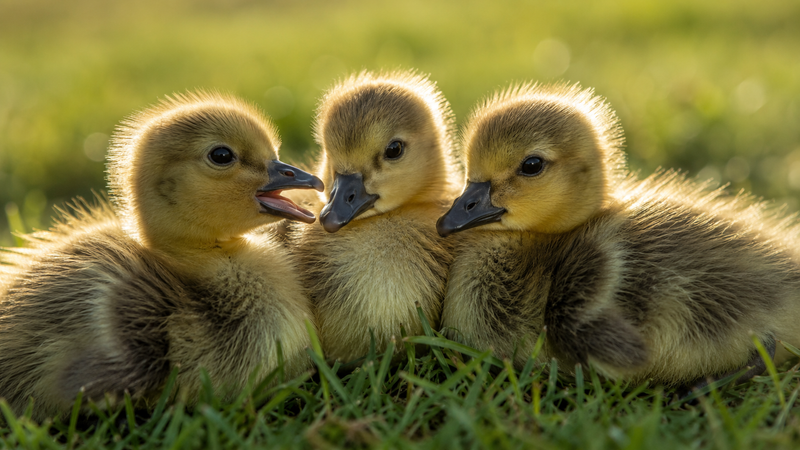
A clutch is the full set of eggs a female bird lays in a single nesting attempt — its size varies by species from a single egg to over a dozen.
Definition
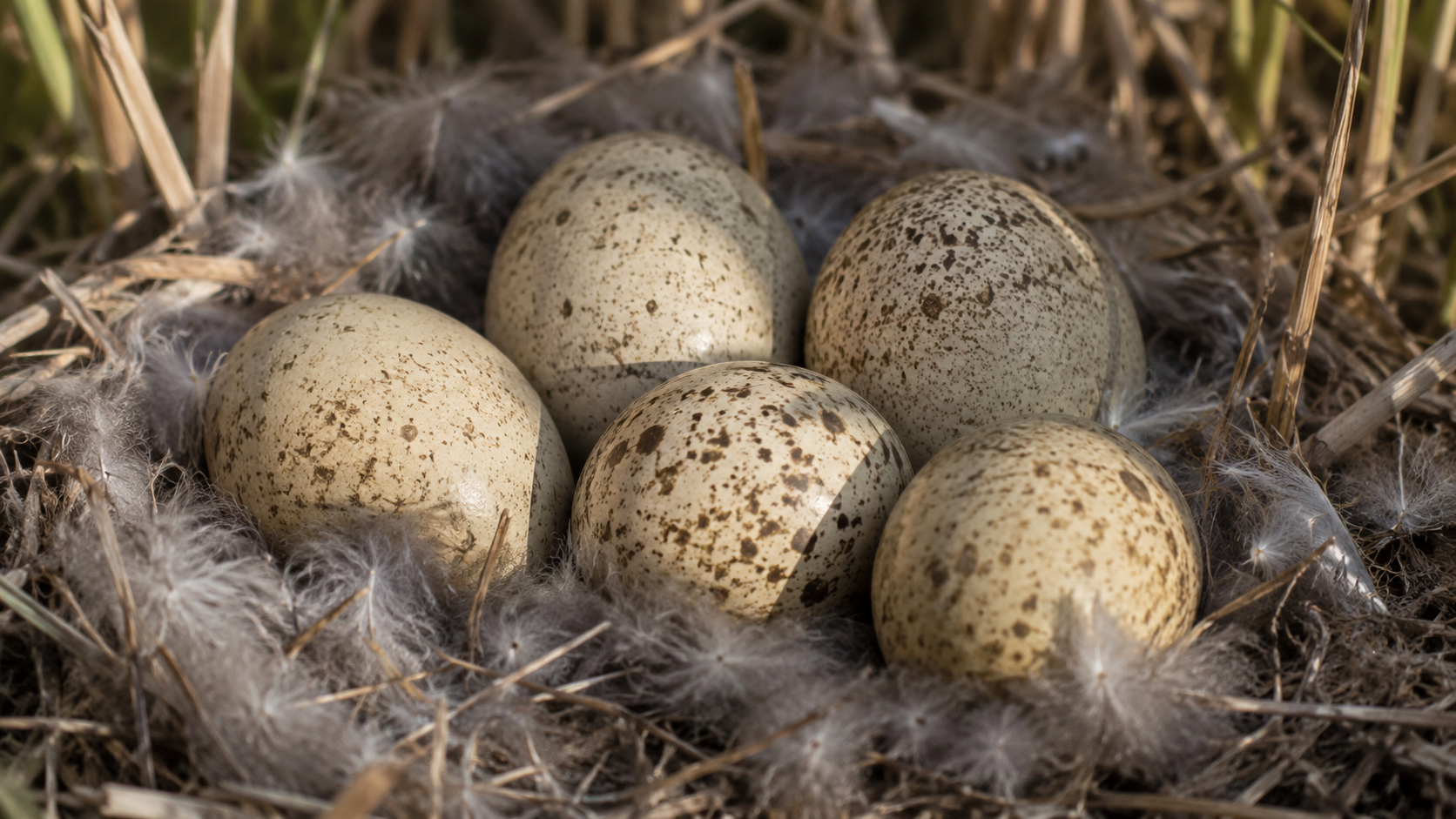
A clutch is the complete set of eggs a female bird lays during a single nesting attempt, laid over consecutive days (typically one egg per day) before incubation begins. Clutch size is one of the most variable traits across birds: the common kestrel usually lays 3 to 6 eggs, while waterfowl such as the mallard or greylag goose commonly lay 8 to 12 — among the largest clutches of any bird group.
Clutch size broadly tracks a species' life-history strategy. Birds that live a long time, raise few young per attempt, and invest heavily in each chick — many raptors and seabirds — tend to lay small clutches, sometimes a single egg. Species with shorter lifespans, higher annual mortality, and the capacity to raise several broods in one season, common among many songbirds and waterfowl, tend to lay larger clutches, spreading reproductive risk across more eggs and more attempts.
Why clutch size matters for observation
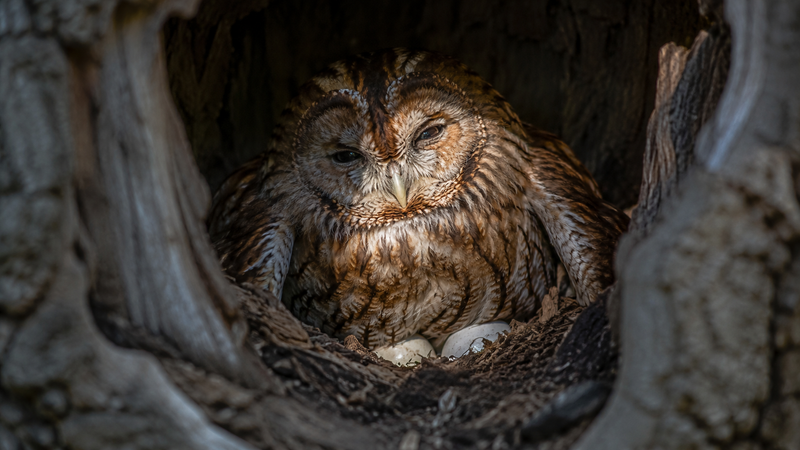
Clutch size interacts closely with incubation timing: because eggs are laid on separate days but many species do not begin serious incubation until the clutch is complete, all the chicks in a clutch typically hatch within a day or so of each other despite the eggs being laid days apart. Species that begin incubating from the first egg, by contrast, produce broods with staggered hatching and a range of chick sizes within the same nest — a pattern seen in several owl species, where a late chick may be considerably smaller than its older nest-mates.
Clutch size can also shift within a species depending on latitude, food supply, and breeding attempt: birds further north or with more abundant food often lay somewhat larger clutches than the same species breeding in poorer conditions further south, and a second or third clutch in a season is frequently smaller than the first.