Egg Incubation
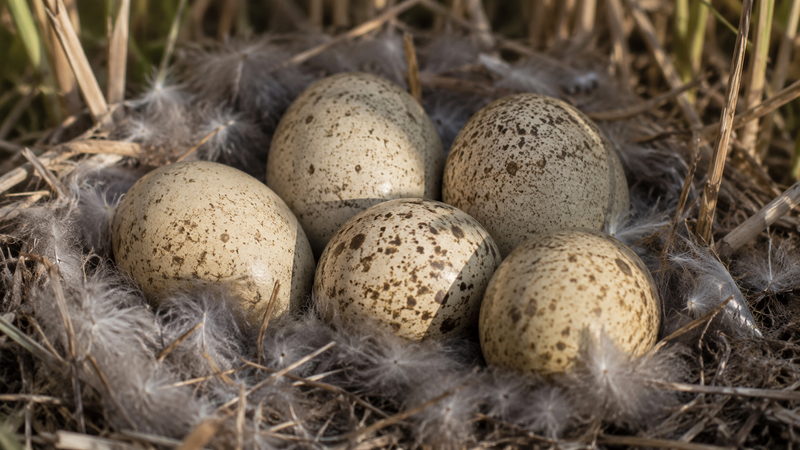
Incubation is the process of keeping eggs at a stable, warm temperature until they hatch, usually by direct body contact through a bare, blood-vessel-rich brood patch.
How incubation works
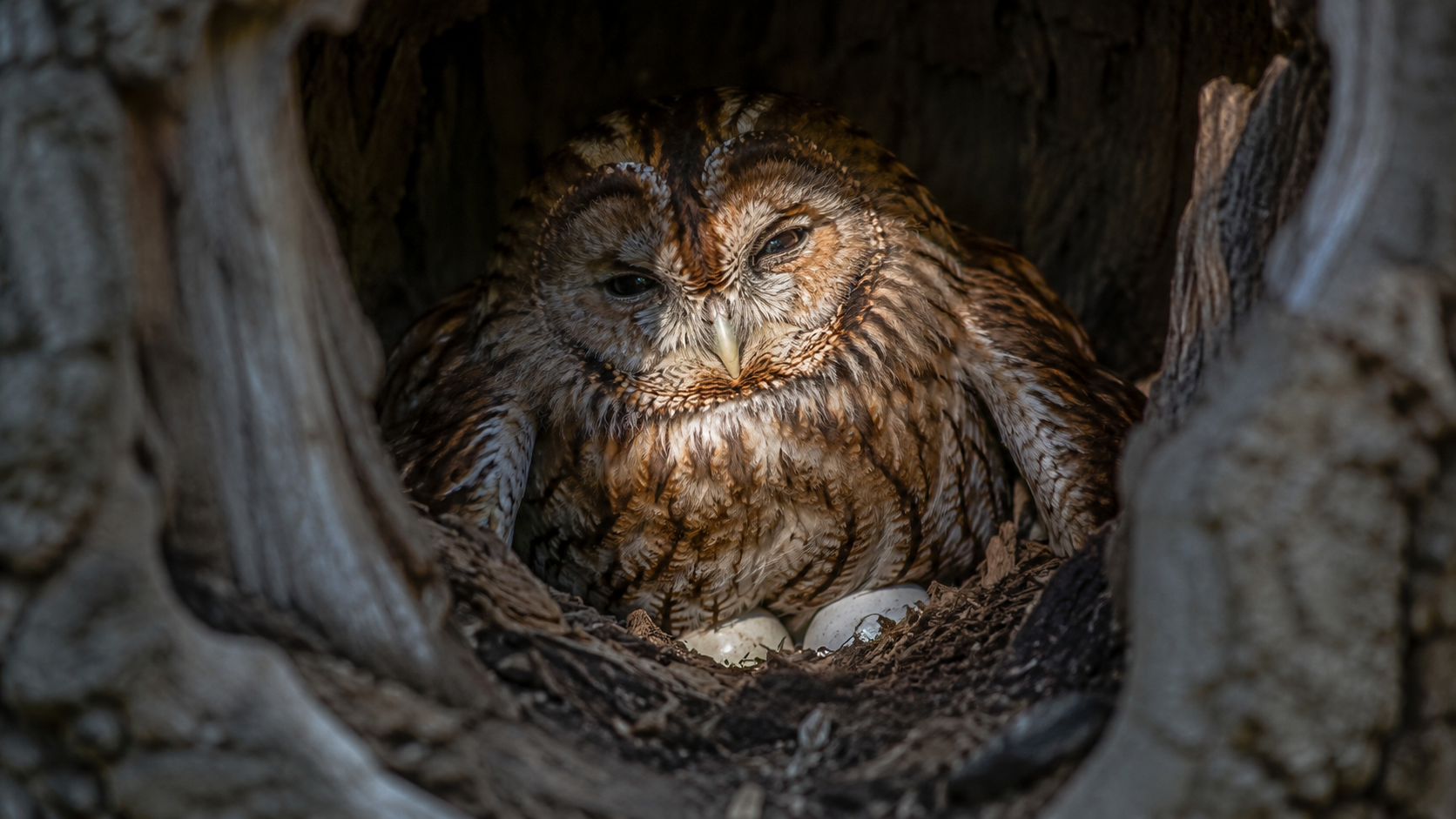
Incubation is the process of maintaining eggs at a stable, elevated temperature — generally close to a bird's own body temperature — for the days or weeks needed for the embryo inside to develop and hatch. Most species accomplish this through direct body contact rather than nest insulation alone: an incubating bird develops a brood patch, an area of bare, blood-vessel-rich skin on the belly where feathers are temporarily shed (or, in some waterfowl, plucked out and used to line the nest), allowing heat to pass directly from the parent's skin to the eggshell in a way a feathered surface would actually prevent.
Incubation length varies with species size and life-history strategy, ranging from under two weeks in some small songbirds to well over a month in larger species such as herons and many raptors — the common kestrel, for example, incubates for roughly 27 to 29 days. Because most species do not begin true incubation until the full clutch is laid, eggs laid days apart typically still hatch within a short window of each other, since development effectively pauses until incubation heat is applied consistently.
Who incubates, and why it varies
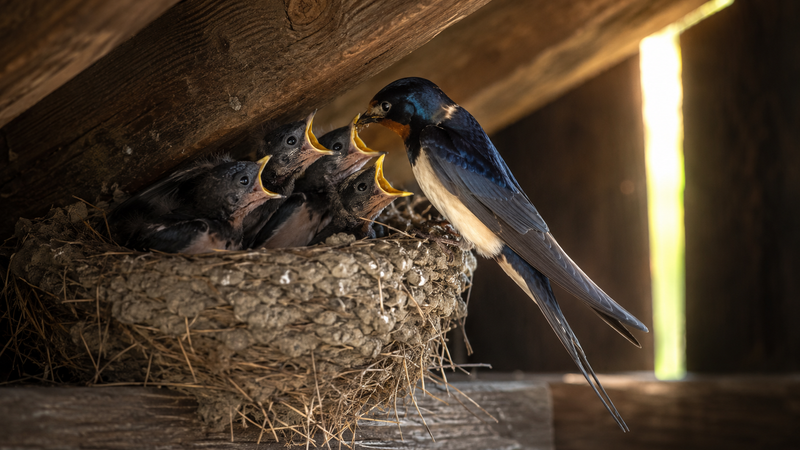
Incubation duties are divided differently across species. In many songbirds, only the female incubates, with the male instead bringing her food at the nest so she rarely needs to leave the eggs uncovered. In many raptors, seabirds, and herons, both parents share incubation in alternating shifts, letting the off-duty bird forage for itself. A smaller number of species reverse the typical pattern almost entirely — in some phalaropes, males take on essentially all incubation and chick-rearing duties, freeing females to pursue additional mating opportunities.
Eggs left unattended for extended periods, especially in cold conditions, can lose viability quickly, which is why species with only one incubating parent tend to time foraging breaks carefully, and why nest disturbance that flushes an incubating bird can pose a real risk to the developing eggs if prolonged.