Passage Migrants
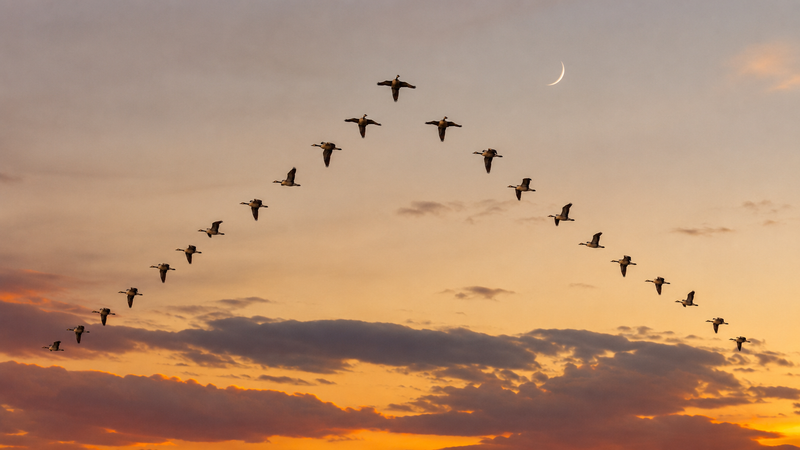
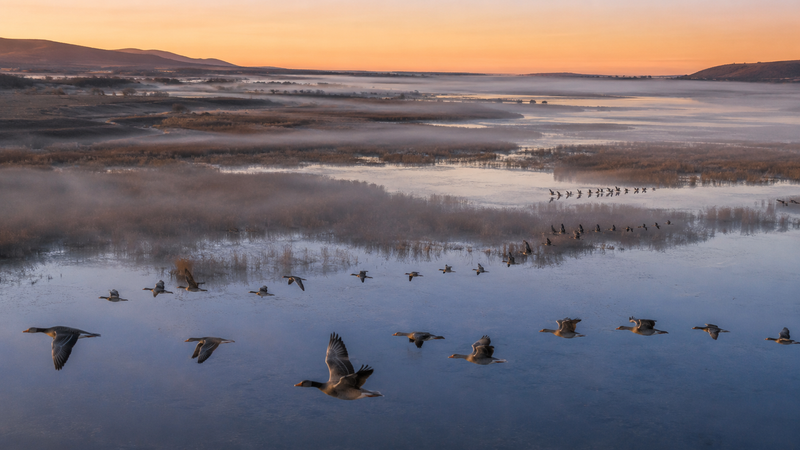
A passage migrant is a bird seen in a region only briefly, while traveling between a breeding range and a wintering range that both lie elsewhere.
Definition
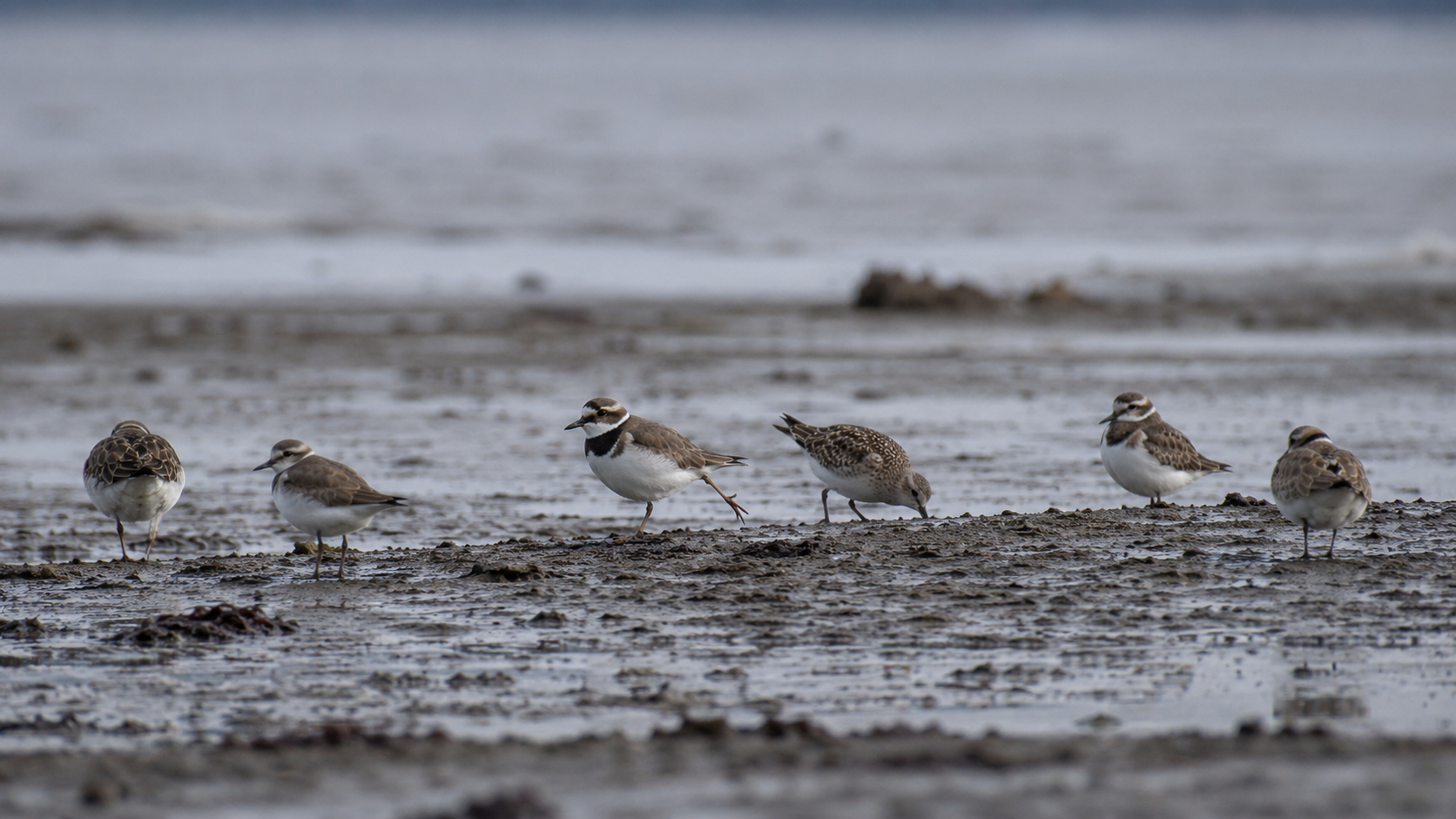
A passage migrant is a bird recorded in a region only while it is traveling through — not because it breeds or winters there, but because the region sits along the route between a breeding range and a wintering range located elsewhere. Many wader species in the Charadriidae family pass through Russian and European coasts and river valleys in exactly this way each spring and autumn, moving between Arctic breeding grounds and wintering areas as far south as sub-Saharan Africa, without ever nesting or overwintering at the intermediate stopover sites where birdwatchers actually see them.
The same species can be a passage migrant in one part of a country and a breeding migratory bird in another — the distinction depends entirely on the specific location, not on the species as a whole. A wader breeding on the Arctic tundra of the Russian Far North is a passage migrant anywhere further south that it merely stops to refuel, but a full breeding resident on its actual tundra nesting grounds.
Stopover sites and timing
Passage migrants concentrate at stopover sites — estuaries, river deltas, large lakes, and other wetlands that offer abundant food for refueling mid-journey. Because a wide funnel of breeding populations can converge on the same narrow stopover corridor, these sites often show far higher species diversity and total numbers during a few concentrated weeks of spring or autumn passage than at any other time of year, including the local breeding season.
Passage windows are typically shorter and more sharply peaked than breeding-season presence: a wader stopover might see numbers build over a week, peak for a few days, and drop off almost as quickly as the birds continue their journey, timed by conditions at both the breeding grounds ahead and the wintering grounds still to come.