Precocial and Altricial Birds
Precocial chicks hatch mobile, feathered, and able to feed themselves within hours; altricial chicks hatch blind, naked, and entirely dependent on their parents.

Two strategies for hatching
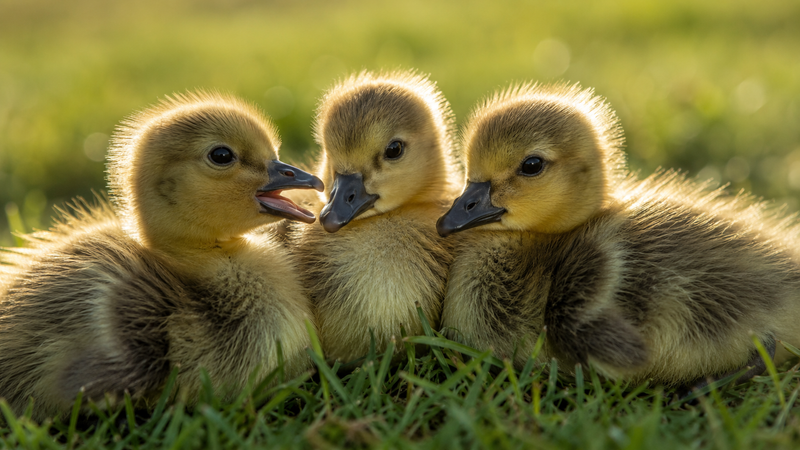
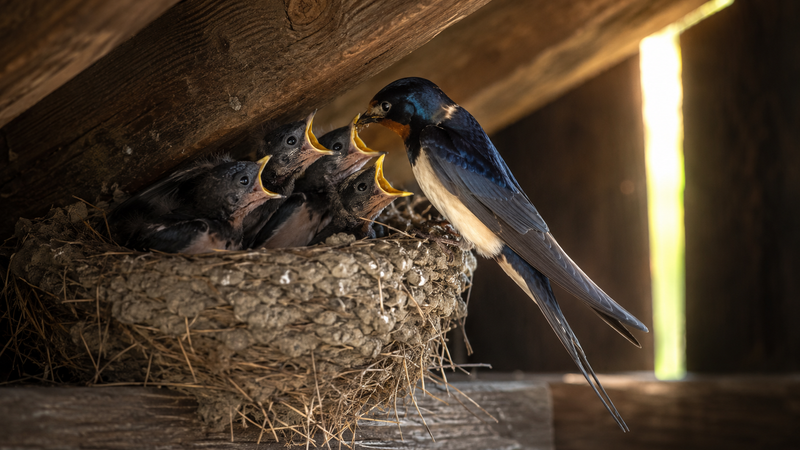
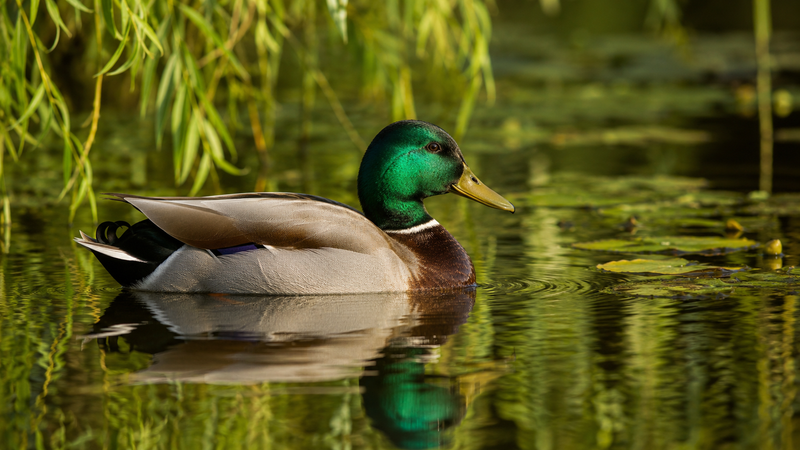
Bird species fall along a spectrum of hatchling development, with two ends usually described as precocial and altricial. A precocial chick, like a mallard duckling, hatches covered in down, with its eyes open, able to walk, swim, and find its own food within hours of hatching — the mother's main role is leading the brood to food and warning of danger, not feeding chicks directly. An altricial chick, like a nestling great tit, hatches blind, essentially naked, and entirely helpless, unable to leave the nest or feed itself, depending completely on parents bringing food to the nest for one to several weeks.
Most songbirds are altricial, while most waterfowl, gamebirds, and many shorebirds are precocial — a split that lines up closely with nest type and site. Ground- and water-nesting species with chicks exposed to predators from day one benefit from hatching mobile and camouflaged rather than spending vulnerable weeks confined to a fixed nest location.
Where species fall in between
Few species sit at the absolute extremes, and ornithologists recognize intermediate categories. Semi-precocial chicks, seen in many gulls, hatch downy and able to walk but stay near the nest and are still fed by parents. Semi-altricial chicks, typical of herons and raptors, hatch with eyes open and some down but remain nest-bound and dependent on being fed, much like fully altricial species. The grey heron is a semi-altricial example: its chicks hatch with a covering of down and open eyes but cannot leave the nest platform or feed themselves for weeks.
Understanding where a species falls on this spectrum explains a great deal about its breeding biology at a glance — precocial species generally lay larger clutches and invest less in individual chick care, while altricial species invest heavily in fewer, more helpless young.