Resident Birds
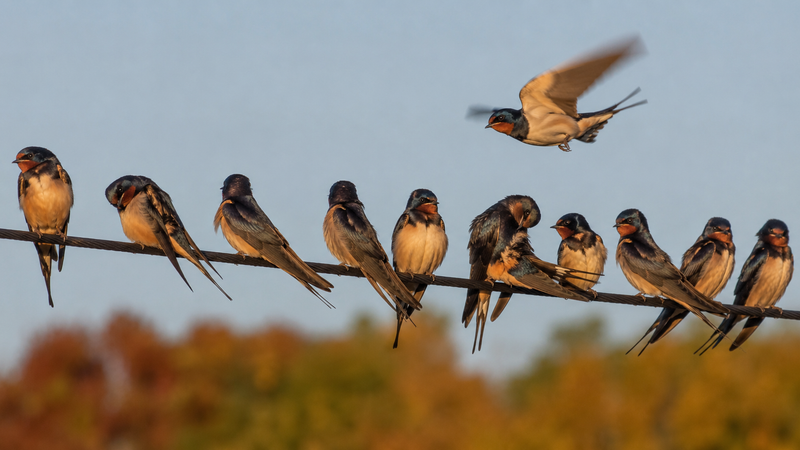
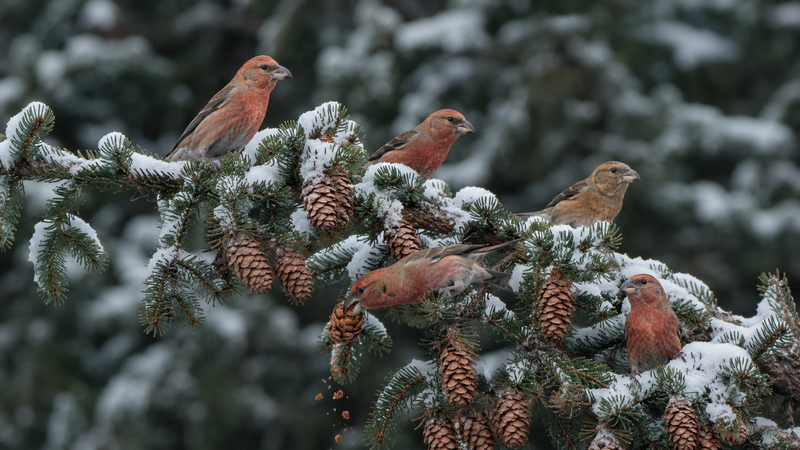
Resident birds stay within the same general area year-round, neither migrating to a separate wintering range nor undertaking large nomadic movements.
Definition
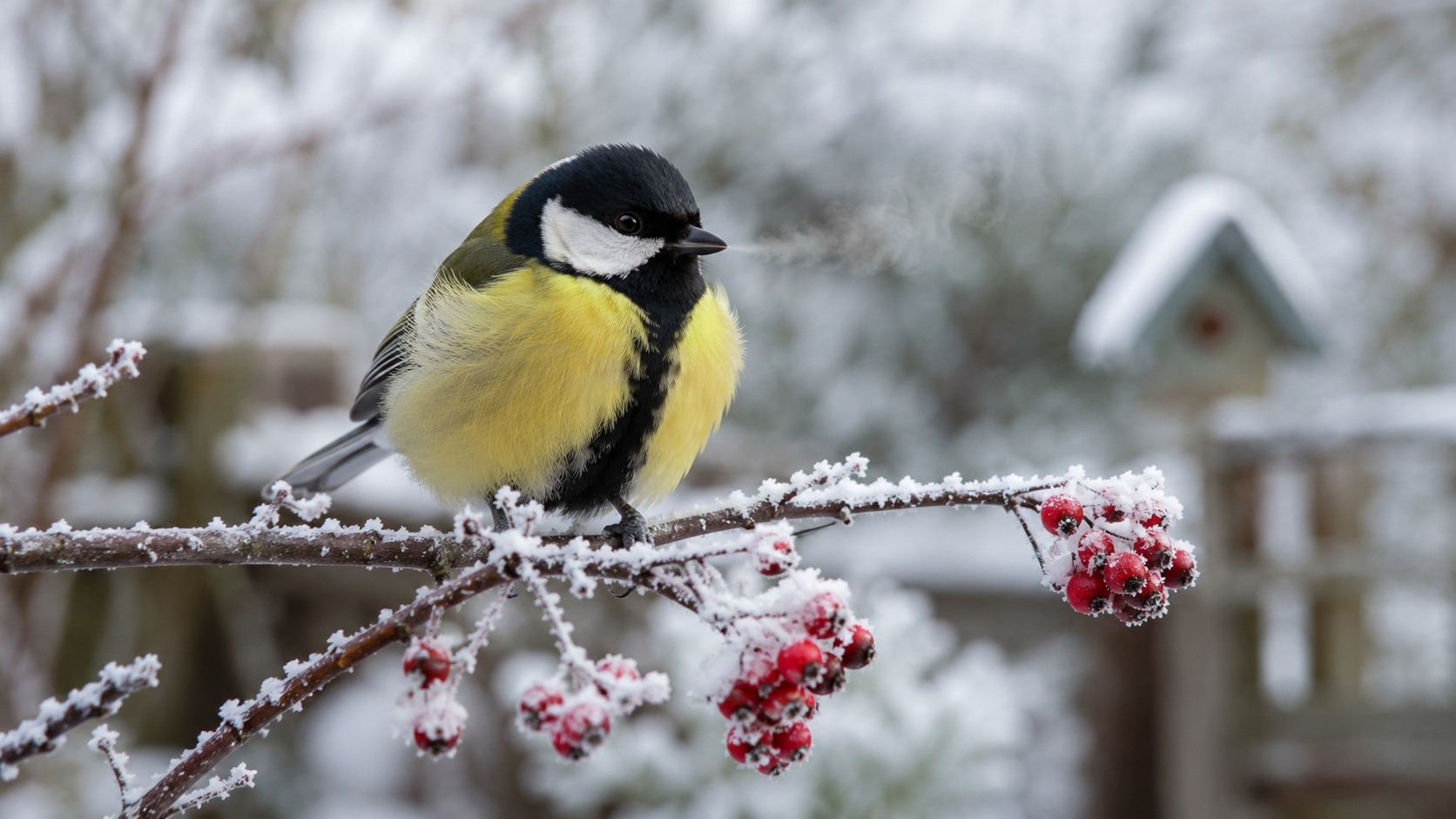
A resident bird occupies the same general area throughout the year, without a seasonal migration to a distinct breeding or wintering range. On a Bird Atlas species page, this typically shows up either as no season field or as a note that the population is present year-round. The great tit and Eurasian jay are both largely resident across most of their Russian and European range, switching diet with the seasons — insects and larvae in summer, seeds, nuts, and garden feeders in winter — rather than traveling to find food elsewhere.
Residency is often a matter of degree rather than an absolute rule. A population can be resident in the milder part of a species' range and migratory at its northern edge, since birds further north face a harsher winter food shortage that pushes them to move while southern populations of the same species do not need to. The hooded crow and rook groups show exactly this pattern across Russia, with northern populations shifting south in winter while birds further south stay put.
Why residency is a viable strategy
Staying resident carries a real advantage: a bird avoids the substantial energy cost and mortality risk of a long migration, and it can claim and defend a breeding territory or nest cavity before migratory competitors even arrive in spring. The tradeoff is that a resident bird must be able to find adequate food through the coldest months, whether by switching diet, caching food in autumn (as several tit and jay species do), or exploiting human-altered habitat such as gardens and feeders that offer a reliable winter food source unavailable in truly wild habitat.